
Description
Garidella nigellastrum is a rare annual herbaceous plant belonging to the Ranunculaceae family. It is a botanical relative of the Nigella genus, sharing similar morphological traits while maintaining its own distinct ecological requirements and characteristics that define its utility in modern agriculture and horticulture.
The plant originates from the Mediterranean region, Southern Europe, and parts of Western Asia. It is natively adapted to dry, stony slopes and calcareous soils, which makes it a highly resilient species. Its natural environment dictates its preference for well-drained habitats and significant tolerance to low-moisture conditions during its growth cycle.
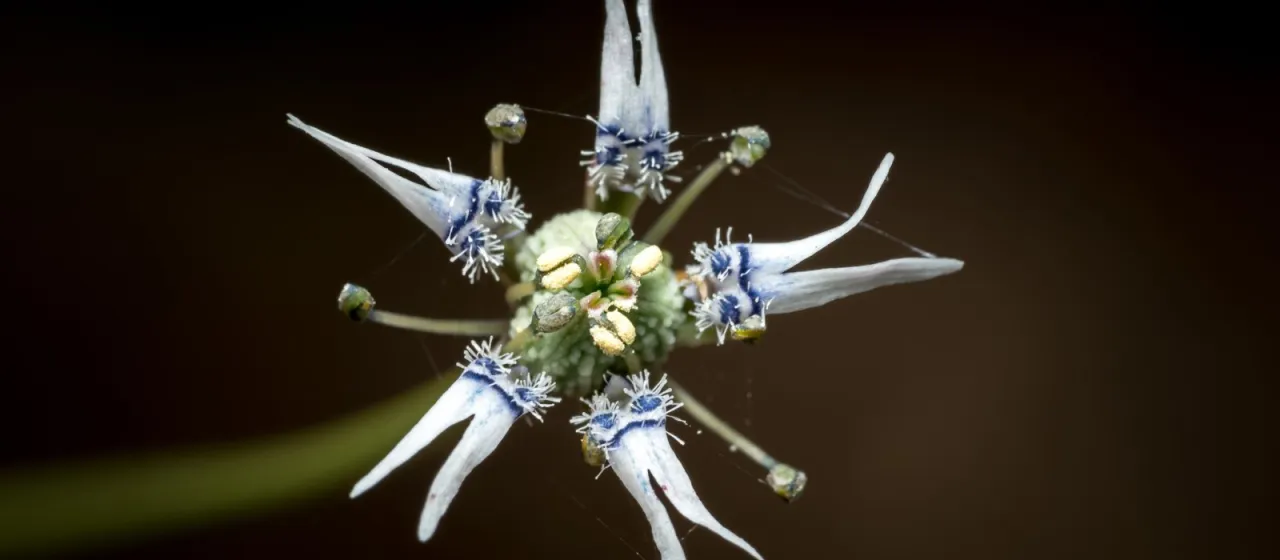
Botanically, the plant features a branched stem reaching 20–40 cm in height, characterized by delicate, thread-like pinnate leaves. The flowers are small, often exhibiting pale blue or greenish-yellow tones. Upon maturation, the plant produces follicles that store small, dark seeds containing essential oils and therapeutic compounds highly valued in ethnobotany.
Agronomic requirements for Garidella nigellastrum include well-lit, sunny exposures and alkaline or neutral, loose soil. It is critical to avoid waterlogging, as the plant is susceptible to root rot in damp conditions. Cultivation involves spring sowing in open soil, requiring minimal fertilization and careful weeding, as the plant grows relatively slowly and may be suppressed by vigorous weeds.
The economic potential of the crop lies in its application as a source of medicinal extracts and essential oils. Furthermore, its aesthetic value has led to its inclusion in xeriscaping and sustainable landscape design projects. As a crop, it requires low input, making it a viable candidate for niche farming in arid or rocky areas where traditional crops might fail.
- Requires full sun exposure
- High tolerance to arid conditions
- Prefers alkaline soil types
- Requires excellent drainage
- Low fertilization needs