
Description
Laurel-leaf silktassel (Garrya laurifolia) is an ornamental evergreen shrub or small tree belonging to the family Garryaceae. This plant is highly regarded for its dense, glossy foliage and its characteristic pendulous catkins, which provide a unique architectural element to gardens and landscapes in suitable climatic zones.
The species is native to the mountainous regions of Mexico and Central America. It thrives in high-altitude environments where temperatures remain relatively mild throughout the year. Due to its origin, the plant requires specific environmental conditions, favoring areas with high humidity and protection from extreme temperature fluctuations, which dictates its limited range in outdoor cultivation.
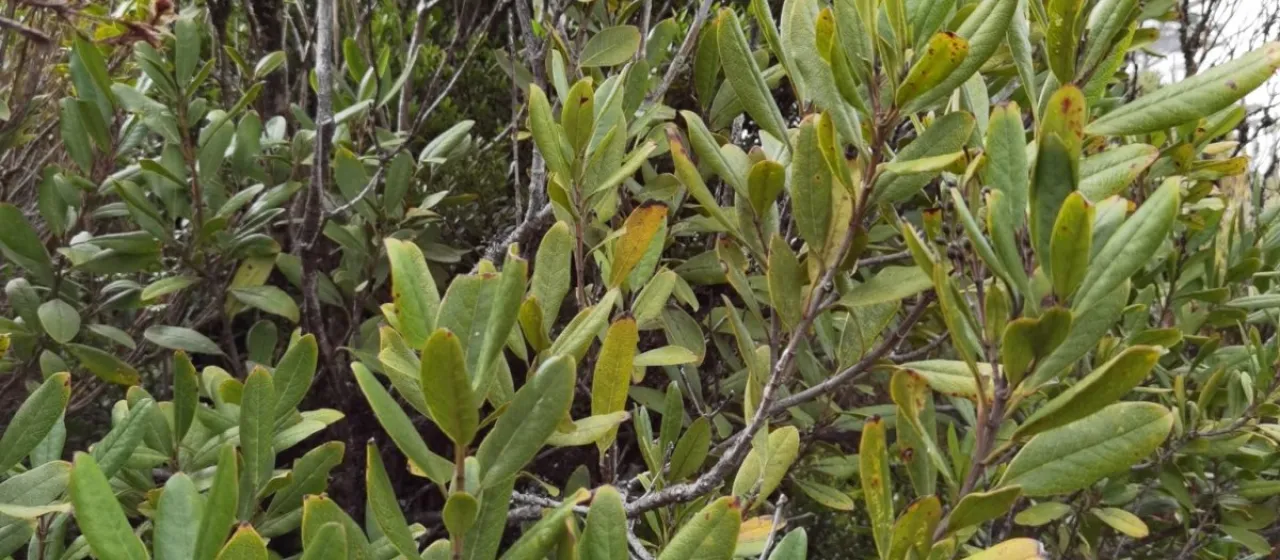
Botanically, the plant features leathery, dark green leaves that resemble those of the bay laurel. It is dioecious, meaning male and female flowers are borne on separate plants. The male plants are particularly sought after by gardeners for their exceptionally long, graceful catkins that appear in late winter or early spring, creating a striking contrast against the dark foliage.
Successful cultivation of Garrya laurifolia requires well-drained, fertile soil with a neutral to slightly acidic pH. The plant performs best in partial shade, sheltered from harsh winds that can damage the leaves. Proper soil moisture management is critical; while the plant needs consistent water, it is highly susceptible to root rot if the soil remains waterlogged for extended periods.
- Apply balanced organic fertilizer during the early spring growth phase.
- Maintain consistent but moderate moisture levels in the root zone.
- Prune lightly after flowering to maintain the desired shape and density.
- Apply mulch to protect roots and maintain soil moisture levels.
The primary use of the laurel-leaf silktassel is in landscape design, where it serves as an excellent hedge, screen, or specimen plant. Its ability to maintain a lush, green appearance throughout the year makes it a valuable asset for year-round garden structure. Additionally, it is sometimes used in floral arrangements for its unique, dangling catkins.
Common plant health issues include fungal diseases such as leaf spot or powdery mildew, typically caused by poor air circulation or excessive moisture. Pests such as scale insects or spider mites may occasionally infest the plant, particularly if it is under environmental stress. Regular monitoring and maintaining appropriate cultural practices are the most effective ways to ensure the plant remains healthy and vigorous.