
Description
Garuga floribunda is a significant tropical deciduous tree belonging to the Burseraceae family. Known for its robust growth, it can reach heights of up to 30 meters. This species is highly regarded for its timber, which is durable and versatile, making it a valuable asset in tropical forestry and local economic development.
The tree originates from the tropical regions of Southeast Asia, Indonesia, the Philippines, and Northern Australia. It is naturally adapted to monsoon climates characterized by distinct wet and dry seasons. Its ability to thrive in these fluctuating conditions makes it a resilient species for reforestation projects and sustainable land management in tropical zones.
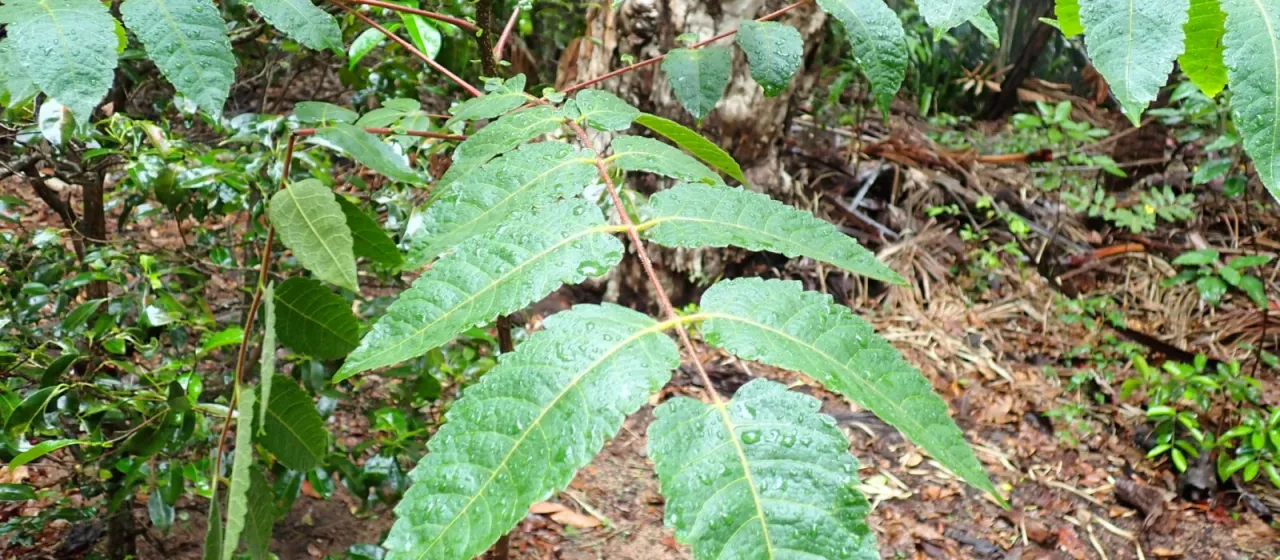
Botanically, it features pinnate leaves and produces numerous small, yellowish-green flowers in terminal panicles, which give rise to fleshy, edible drupes. The shedding of leaves during the dry season is a vital survival mechanism, allowing the tree to conserve moisture until the return of the rainy period, ensuring its long-term viability in harsh environments.
Cultivation requires well-drained soils, as the root system does not tolerate waterlogging. It performs best in areas with sufficient sunlight and moderate to high humidity during the growing phase. In commercial applications, spacing is crucial to ensure straight trunk development, while minimal pruning is typically required once the tree reaches a mature stage of growth.
- Excellent timber used for construction and cabinetry.
- High ecological value for local bird and animal populations.
- Resilience to varying soil conditions and seasonal droughts.
- Potential medicinal applications of bark and leaf extracts.
- Strong capacity for natural regeneration in open forest clearings.
Common phytosanitary concerns include wood-boring insects and root rot caused by stagnant water. Implementing good plantation hygiene, such as thinning and debris removal, helps manage pest populations. Growers should prioritize soil drainage and site selection to minimize the risk of pathogen outbreaks and promote healthy, productive tree development.