Gasteria carinata
Gasteria carinata (Mill.) Duval
Description
Gasteria carinata is a perennial succulent plant belonging to the Asphodelaceae family. In the context of specialized horticulture, it is cultivated primarily as an ornamental species, highly valued for its geometric leaf structure and resilience in indoor environments, which makes it a significant product in the global nursery industry.
The plant originates from the arid regions of South Africa, specifically the Cape Province. Its natural habitat includes rocky slopes and scrublands where it survives under filtered light conditions. This origin determines the plant's physiological adaptations, such as its ability to store moisture in thick, succulent leaves and its slow metabolic rate.
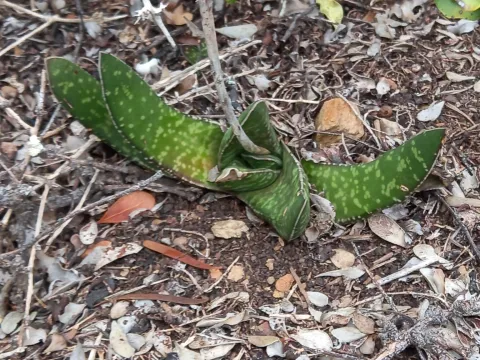
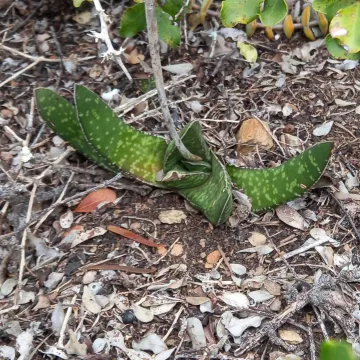
Botanically, the species is identified by its stiff, keeled leaves arranged in a rosette or distichous pattern. The leaf surface is often adorned with prominent tubercles or spots, enhancing its aesthetic appeal. The root system is relatively shallow and sensitive, requiring specific growing conditions to prevent physiological disorders.
Agronomic requirements for Gasteria carinata focus on mimicking its natural drought-prone environment. Essential practices include the use of well-draining, gritty potting mixtures, avoiding deep shade, and implementing a strict "soak and dry" irrigation regime to prevent the root rot commonly associated with excessive soil moisture.
Host plants are generally utilized in commercial greenhouse production for ornamental trade. Common issues include infestation by mealybugs or spider mites, which can be mitigated through integrated pest management. Root decay remains the primary risk factor, usually resulting from inadequate soil aeration or improper watering schedules during winter dormancy.
Photo gallery