
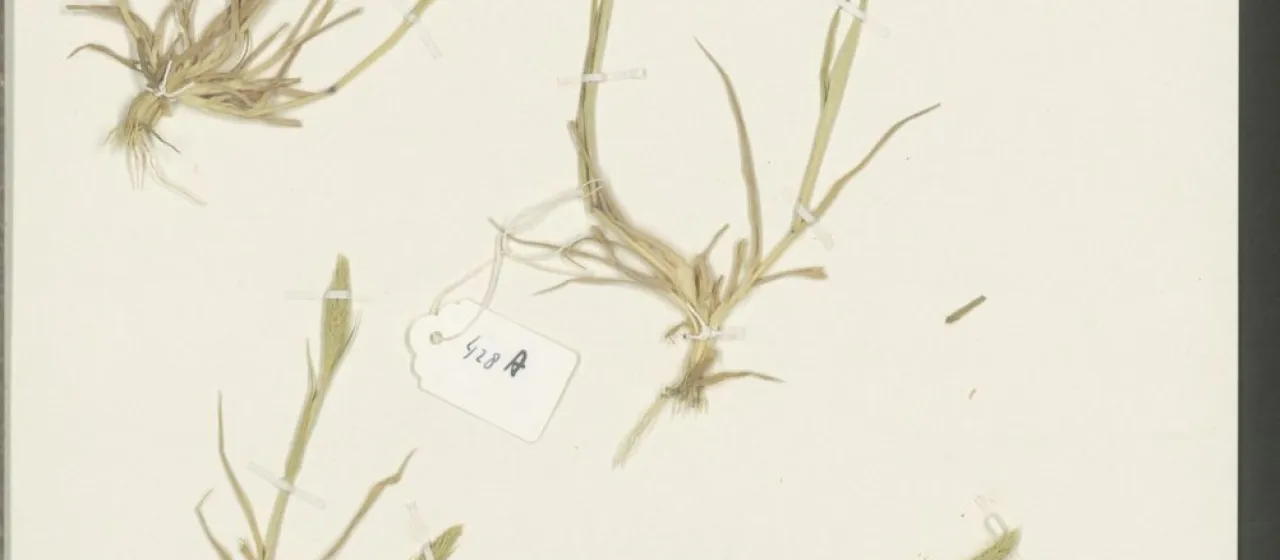
Description
Gastridium scabrum is an annual grass species belonging to the Poaceae family. Known for its specific adaptation to particular environmental niches, this grass is a notable member of the Mediterranean flora, often found in regions where soil moisture and nutrient availability are highly variable during the growing season.
The plant originates from the Mediterranean basin, stretching across various southern regions. It is naturally adapted to dry, sandy, or rocky habitats where it acts as a pioneer species. Its distribution is closely linked to temperate and Mediterranean-type climates, where it thrives in open areas with high exposure to sunlight.
Botanically, Gastridium scabrum is characterized by its slender, erect stems and distinctively rough leaf surfaces, which gives it a unique texture. The inflorescence is a contracted, spike-like panicle. These structural adaptations help the plant conserve water, allowing it to complete its reproductive cycle before the peak of summer heat.
Agronomic requirements for this grass focus on well-drained soils and high sunlight intensity. It does not require high-input fertilizers, making it efficient in nutrient-poor environments. Successful cultivation or maintenance in managed landscapes requires minimal disturbance of the soil structure and an avoidance of waterlogging, which the species does not tolerate well.
Regarding its хозяйственное use, it serves primarily as forage in semi-natural grazing lands. While not a high-intensity crop, it contributes significantly to ground cover and slope stabilization. Common challenges include susceptibility to certain rust fungi in humid conditions and potential suppression by invasive weed species if the grazing intensity is not properly managed.
- High tolerance to arid conditions.
- Excellent soil stabilization capabilities.
- Low nutrient requirements for growth.
- Role in maintaining biodiversity in grasslands.