
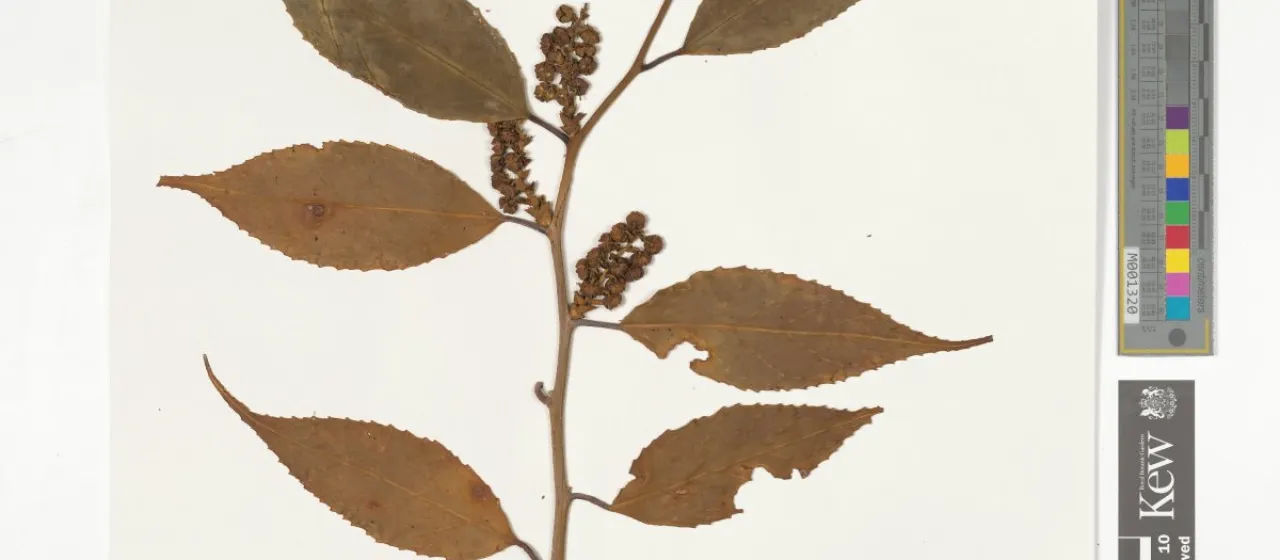
Description
Gaultheria caudata is a perennial evergreen shrub belonging to the Ericaceae family. Known for its distinct foliage and elegant growth habit, this plant is increasingly recognized in niche horticultural circles for its aesthetic value and adaptability as a ground cover in shaded areas.
The native distribution of this species is centered in the mountain forests of East Asia, particularly in China. In its natural habitat, the plant thrives under a forest canopy, which provides the necessary humidity and filtered light. Growers outside its native region must replicate these conditions to ensure successful establishment and long-term health.
Botanically, the species is defined by its coriaceous leaves featuring an elongated, tail-like apex, from which the specific epithet is derived. The plant produces delicate, bell-shaped flowers followed by fleshy fruits. These botanical characteristics make it a popular choice for collectors of Ericaceous plants and landscape architects seeking texture and year-round greenery.
Agronomic requirements for Gaultheria caudata are strict, focusing primarily on soil acidity and drainage. The plant necessitates an acidic growing medium, rich in organic matter, with excellent drainage to prevent root rot. Supplemental watering is crucial during dry periods, and the application of pine bark or leaf mold as mulch is standard practice to maintain root zone health.
- Requires acidic soil with pH 4.5–5.5.
- Thrives in partial shade or filtered light.
- Benefits from organic mulching.
- Sensitive to excessive fertilization.
The primary use of this crop is in ornamental horticulture and woodland garden designs. While it is not a large-scale agricultural commodity, its cultivation requires careful monitoring for common threats such as root-rot fungi and scale insects. Maintaining optimal air circulation around the plants is essential for preventing disease outbreaks in humid conditions.