
Description
Geniostoma ligustrifolium, commonly known by its Maori name "hangehange," is an evergreen shrub belonging to the Loganiaceae family. Native to New Zealand, this plant is widespread across the North and South Islands. It typically grows in forest margins and coastal scrublands, thriving in diverse environmental conditions ranging from shaded gullies to exposed slopes.
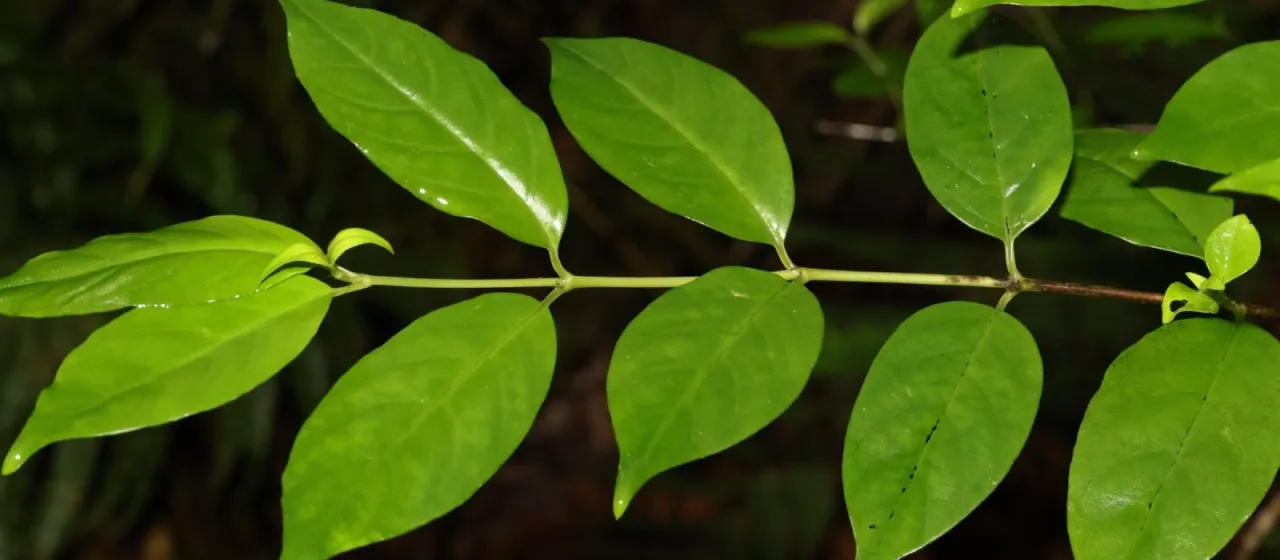
Botanically, this shrub reaches a height of up to 3 meters. Its leaves are distinct, often described as glossy, leathery, and ovate, which allows it to withstand various weather conditions. The plant produces small, fragrant, greenish-white flowers during the late spring and summer months. The growth habit is dense and bushy, making it a prominent feature in the native forest understory.
Regarding cultivation, Geniostoma ligustrifolium requires well-drained, nutrient-rich soil to reach its full potential. While it is adaptable to partial shade, it performs best when protected from extreme, drying winds. It is sensitive to prolonged waterlogging, so soil preparation must ensure efficient water drainage to maintain healthy root system development.
Agricultural management of this species involves regular monitoring for soil moisture and pruning to maintain a desirable shape. Being a hardy native, it does not require excessive chemical intervention, though balanced organic fertilization can support vigor during the initial establishment phase. It is an excellent choice for temperate climates where frost is minimal.
In terms of practical use, the plant is primarily utilized in restoration ecology and ornamental landscaping. Its ability to create dense cover makes it ideal for screens and native plant hedging. Key attributes include:
- Evergreen foliage providing year-round visual appeal.
- Sweet, pleasant scent of the small blossoms.
- Support for native pollinators and bird species.
- Structural integrity as a windbreak in home gardens.
Common plant health issues include aphid infestations and spider mites, particularly if grown in restricted or indoor environments. Fungal infections, such as root rot, may occur if the soil remains excessively wet for long durations. Proper spacing and airflow are essential to keep the shrub healthy and resistant to typical pests.