
Description
Hook-pod broom (Genista ancistrocarpa) is a perennial shrub belonging to the Fabaceae family. While not a conventional staple crop, it is highly valued for its ecological benefits, including nitrogen fixation, and its role as a resilient ornamental plant in dry-landscape designs.
The plant is native to the Mediterranean region, primarily found in Portugal and Spain. It thrives in open, sunny locations with rocky or sandy soils, demonstrating remarkable tolerance to extreme heat and poor nutrient availability. Its evolutionary history has made it perfectly adapted to Mediterranean climates with long, dry summers.
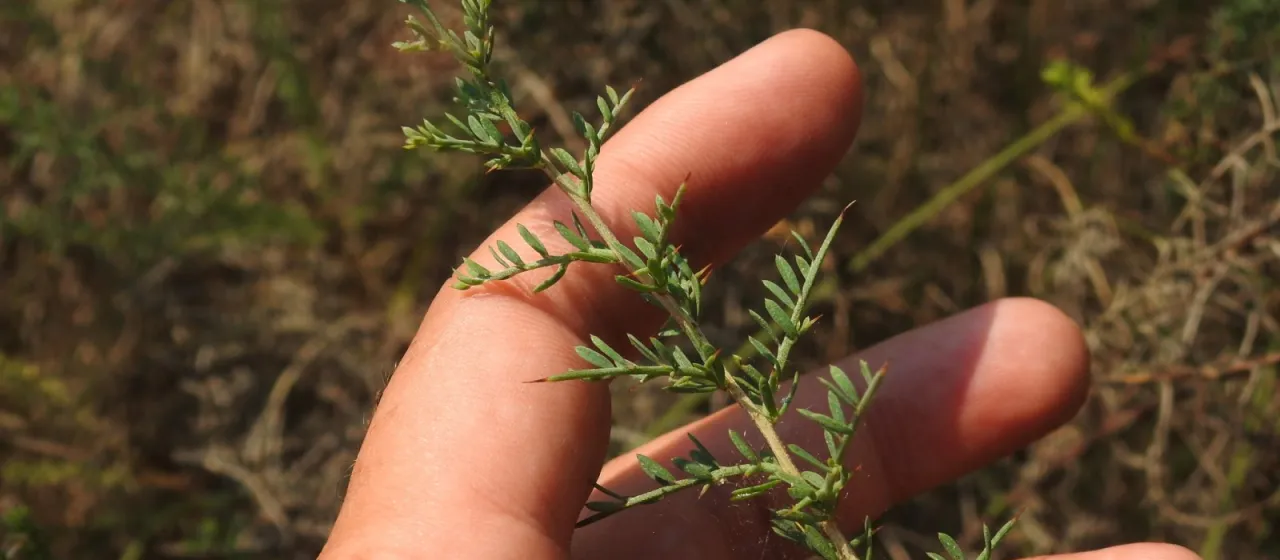
Botanically, it is recognized by its dense branching habit and small, simple leaves. During the blooming season, the shrub produces vibrant yellow flowers typical of the Genista genus. Its name, "ancistrocarpa," is derived from the distinct hooked shape of its seed pods, which serves as a definitive characteristic for botanical identification.
Agronomic requirements for this species prioritize excellent soil drainage, as the plant is highly susceptible to root damage in waterlogged conditions. It prefers a slightly acidic to neutral soil pH. In terms of maintenance, it is a low-input crop; it requires little fertilization and minimal watering once established, making it an ideal candidate for low-maintenance horticultural projects.
Typical pest and disease management for Genista ancistrocarpa involves keeping the foliage dry to prevent fungal outbreaks. The most common threats include aphid infestations and leaf-eating beetles. If grown in proper conditions with full sunlight and adequate air circulation, the plant shows strong resilience and rarely requires chemical intervention, making it suitable for sustainable ecological management.