
Description
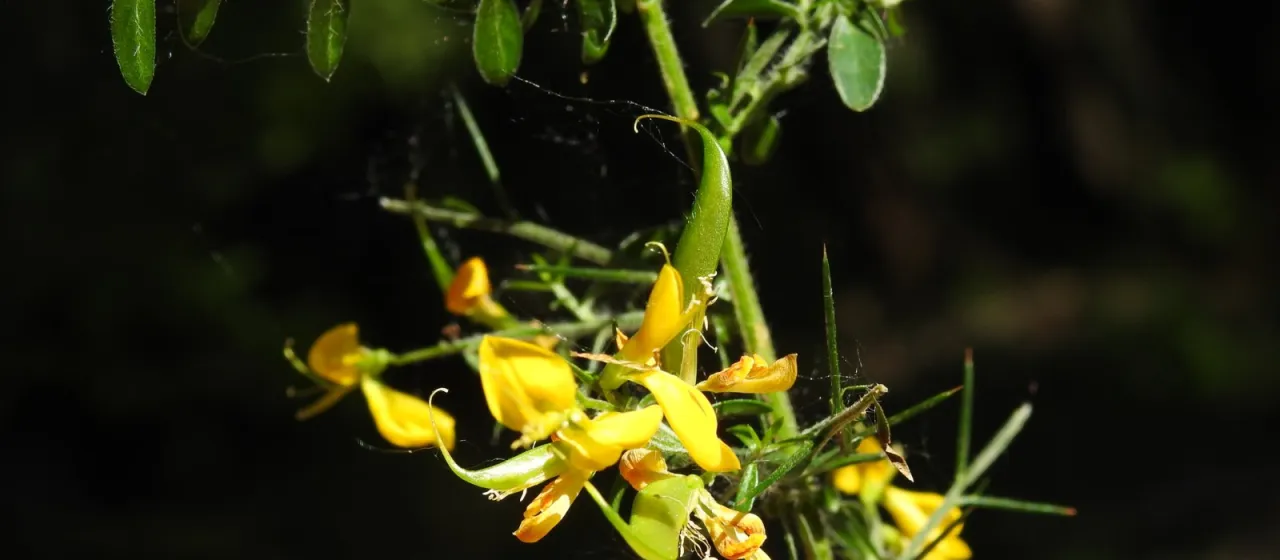
Sickle-leaved broom (Genista falcata) is a perennial semi-shrub belonging to the Fabaceae family. It is characterized by its distinctively curved pods and small, resilient foliage, which allow it to thrive in nutrient-poor soils where other vegetation might struggle to survive.
The native habitat of this species is primarily the Mediterranean region. It is typically found on dry, rocky slopes and sandy soils. Its evolutionary adaptation to harsh, arid climates makes it an excellent candidate for xeriscaping and low-maintenance landscape management projects.
Botanically, Genista falcata features a deep and aggressive root system designed for moisture extraction and soil stabilization. The plant typically reaches a moderate height, forming dense, gold-flowering thickets in the spring, which are highly attractive to local pollinators and honeybees.
Regarding agrotechnical requirements, this culture demands full sun exposure and well-draining soils. It is notably sensitive to root rot, so heavy, clay-rich substrates must be avoided. Regular pruning after the flowering season is recommended to maintain a dense, compact shape and promote healthy growth in the following year.
The agricultural and environmental use of this plant includes erosion control on steep banks and sandy hillsides. It serves as an effective nitrogen-fixing agent, helping to naturally rehabilitate degraded landscapes. Additionally, it is prized as a hardy ornamental in dry garden settings that require minimal human intervention.
Common issues affecting plant health include:
- Root rot caused by stagnant water in the root zone.
- Aphid infestations on new, succulent vegetative growth.
- Powdery mildew in areas with poor airflow and high humidity.