
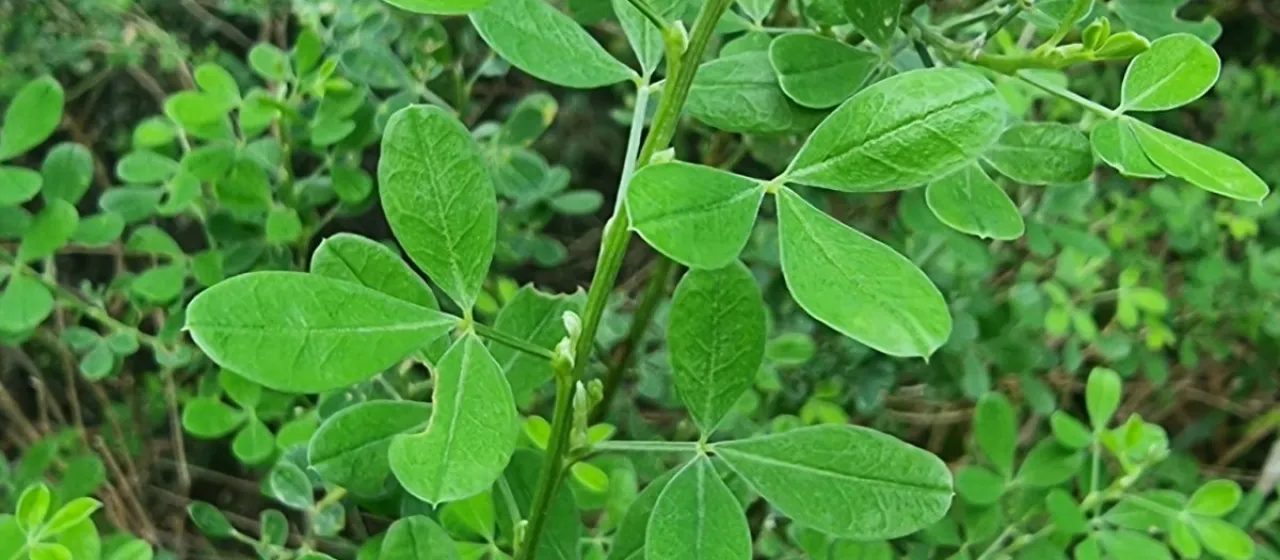
Description
Madeira broom (Latin: Genista maderensis) is a perennial evergreen shrub belonging to the Fabaceae family. Known for its intense golden-yellow flowering, this plant is a staple in Mediterranean-style landscaping and mild-climate gardens, providing a vibrant visual impact during its blooming season.
Originating from the island of Madeira, this species is naturally adapted to rugged, rocky terrains and mild temperatures. In cultivation, it thrives best in climates that mimic its native habitat, where it can enjoy long periods of sunshine and avoid severe frost, which can damage its delicate evergreen structure.
Botanically, Genista maderensis features slender, woody stems covered in small, trifoliate leaves. The plant typically grows as a compact shrub that can reach significant heights under optimal conditions. Its flowers are characteristically pea-shaped and clustered in terminal racemes, followed by dry, pod-like fruits typical of the legume family.
Agricultural requirements for Madeira broom include highly permeable, sandy, or gravelly soils. It does not tolerate waterlogged conditions, which often lead to root rot. As a heliophilic species, it demands full sun exposure to maintain its form and maximize flower production. Minimal intervention is needed regarding fertilizers, as the plant is well-adapted to nutrient-poor soils.
The primary use of this shrub is ornamental, serving as an excellent candidate for xeriscaping or rock gardens. Regarding plant health, it is generally robust, though it may be susceptible to aphids or spider mites in dry, crowded conditions. Maintaining proper spacing and air circulation is the best preventive measure against powdery mildew and other fungal diseases.
- Requires full sun and well-draining soil.
- Pruning should be performed immediately after the flowering period.
- Highly tolerant of dry spells once established.
- Propagation via semi-hardwood cuttings is the most effective method.