
Description
Montpellier broom (Genista monspessulana) is a hardy shrub belonging to the Fabaceae family, widely recognized for its vibrant yellow blossoms and rapid growth habit. As a legume, it contributes to soil fertility by fixing atmospheric nitrogen, making it a functional plant in both natural habitats and managed landscapes. Its structure allows it to function effectively as a screen or ground cover.
The native range of the Montpellier broom is centered around the Mediterranean basin. It has evolved to thrive in warm, temperate climates with dry summers. Due to its adaptability, it has been introduced to various parts of the world, such as California, Australia, and New Zealand, where it is valued for its hardiness but also monitored for its potential to outcompete native vegetation.
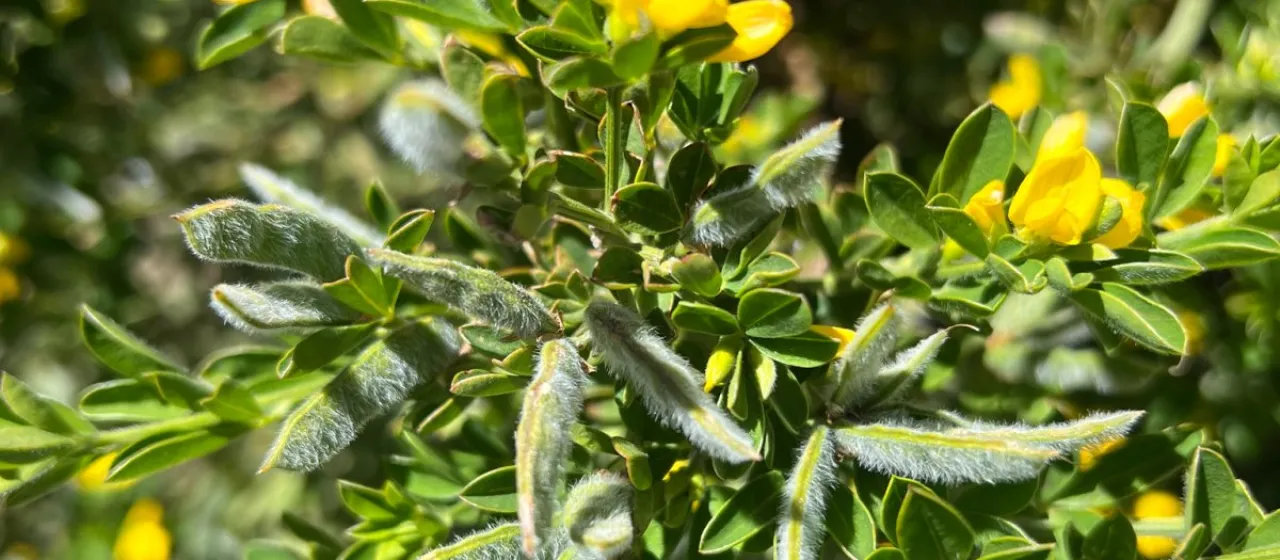
From a botanical standpoint, this species is characterized by its trifoliate leaves and densely pubescent young branches. The shrub can reach a height of up to 3 meters, forming a dense canopy. Its root system is exceptionally efficient at penetrating soil, which provides stability for slopes and assists in preventing erosion, a common use for the species in agricultural and conservation projects.
Cultivation of Montpellier broom requires full sun exposure and well-draining soil conditions. It is notably drought-tolerant once established and does not require frequent irrigation. However, soil must be protected from waterlogging to prevent root rot. Regular pruning after the flowering season is recommended to manage its size and ensure dense growth for the following year.
The plant is utilized for ornamental purposes and as a tool for ecological restoration on degraded lands. While generally robust, it can be susceptible to various pests, including broom aphids and seed-feeding insects. In some climates, it is managed as a noxious weed; therefore, gardeners should consider local regulations before planting it in areas where it may spread uncontrollably.