
Description
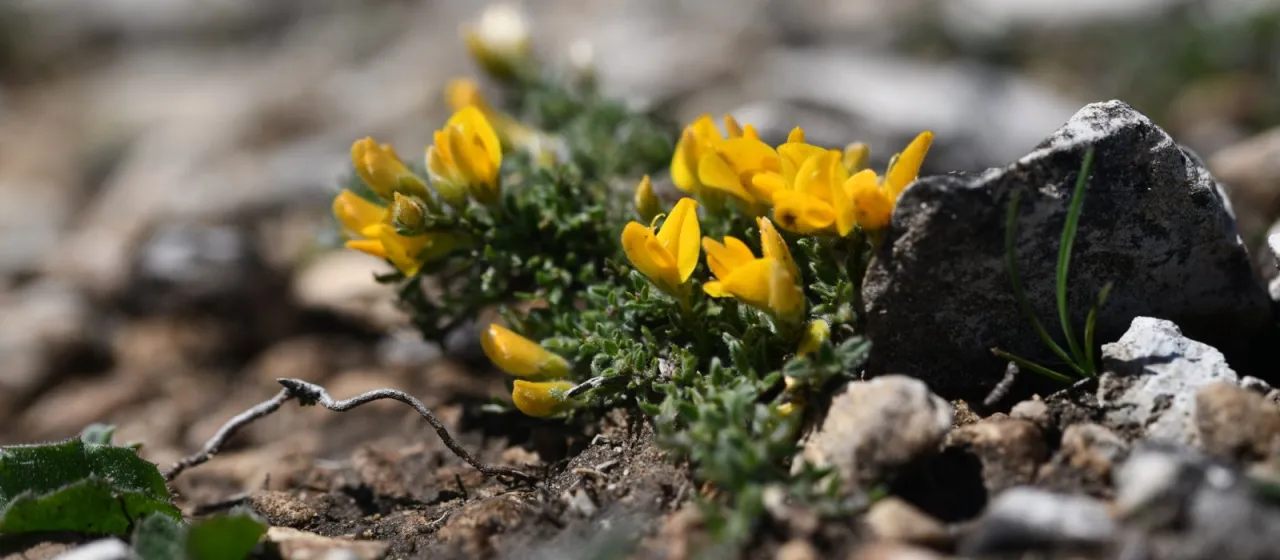
Beautiful greenweed (Genista pulchella) is a perennial subshrub belonging to the Fabaceae family. This plant is recognized for its structural resilience and environmental benefits, particularly in regions prone to soil degradation and water scarcity.
Originating from Mediterranean climates and Southern Europe, the plant typically inhabits arid rocky slopes and heathlands. Its distribution pattern reflects a strong preference for well-drained, nutrient-poor soils where it can compete effectively with other xerophytic species.
Botanically, it is a low-growing shrub characterized by rigid, branched stems and small, lanceolate leaves. Its growth habit is typically prostrate or mound-forming, rarely exceeding 50 cm in height. The inflorescences consist of bright yellow flowers that appear in early to mid-summer, providing a significant nectar source.
Cultivation requires full sun exposure and sandy or loamy soils with excellent drainage. The species is highly drought-tolerant once established and does not require intensive fertilization. Over-watering is the primary cause of failure, as the root system requires significant oxygen and is prone to fungal rot in anaerobic conditions.
Agricultural and landscape applications are diverse:
- Soil erosion control on slopes and embankments.
- Nectar production in apiculture.
- Xeriscaping and drought-resistant ornamental gardening.
- Nitrogen fixation to improve soil quality in poor sites.
Pests such as aphids and leaf-eating beetles can occasionally impact plant vigor. Disease management is focused on preventing powdery mildew and root rot, which are managed through proper spacing to ensure airflow and by avoiding waterlogging of the root zone during the dormant season.