
Description
Spanish gorse (Genista triacanthos) is a perennial shrub belonging to the Fabaceae family, recognized for its hardiness and vibrant floral displays. This plant is characterized by its compact, spiny habit, making it an excellent candidate for agricultural erosion control and low-maintenance landscape projects. It is a highly resilient species that thrives in challenging environments where other plants might struggle.
The plant originates from the Mediterranean basin, specifically flourishing in regions like the Iberian Peninsula. It is typically found in dry, rocky terrain and open scrublands. Its natural habitat dictates its physiological needs, including a strong preference for high-intensity sunlight and excellent soil drainage, which have evolved over centuries to withstand arid conditions.
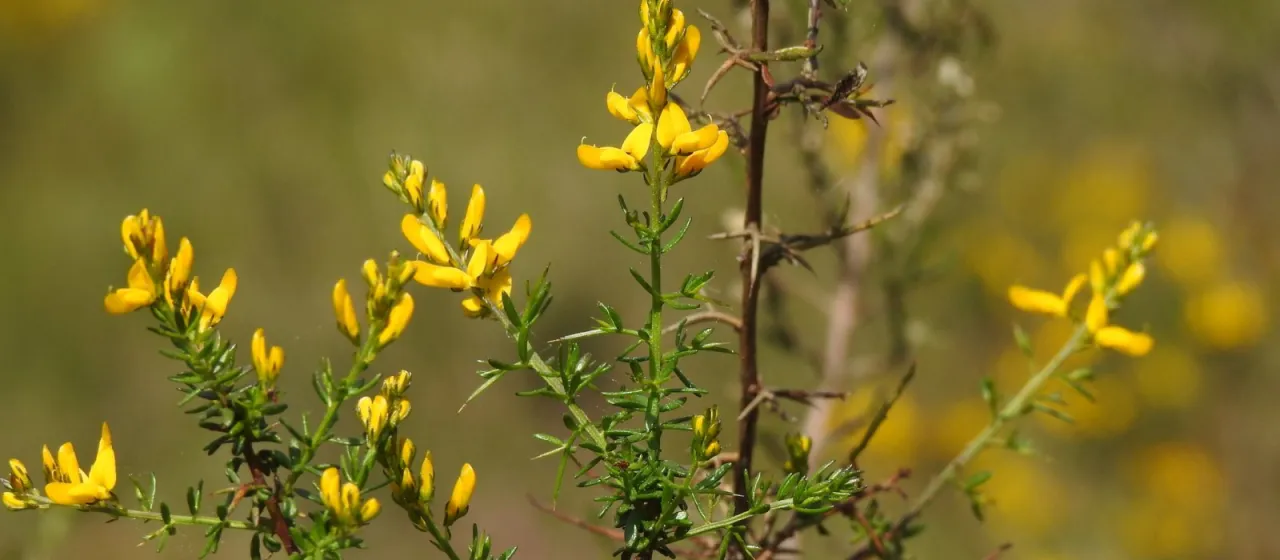
From a botanical standpoint, the shrub features trifid spines that protect it from grazing animals. The foliage consists of small, simple leaves, while the flowers are a brilliant yellow, blooming in dense racemes. These features allow the plant to minimize water loss through transpiration, which is a key adaptation to the hot, dry summers of its native environment.
Cultivation requirements are relatively straightforward, focusing on soil drainage and location. Spanish gorse performs best in sandy or rocky soils with a neutral to slightly acidic pH. It does not tolerate waterlogging, so planting on elevated areas or slopes is recommended. Pruning should be carried out after the flowering period to maintain a dense shape and encourage new growth in the following season.
Economic and practical uses include:
- Soil stabilization on hillsides to prevent erosion.
- Attracting pollinators, particularly bees, during the flowering season.
- Creating natural, impassable hedgerows due to its spiny structure.
- Enhancing poor soil quality through natural nitrogen fixation.
The species is generally robust, but it can be susceptible to fungal diseases such as powdery mildew in areas with poor air circulation or high humidity. Common pests include aphids and spider mites, which can infest the tender tips during spring. Maintaining good horticultural practices, such as proper spacing and avoiding overhead irrigation, is usually sufficient to minimize the risk of infestations and disease outbreaks.