
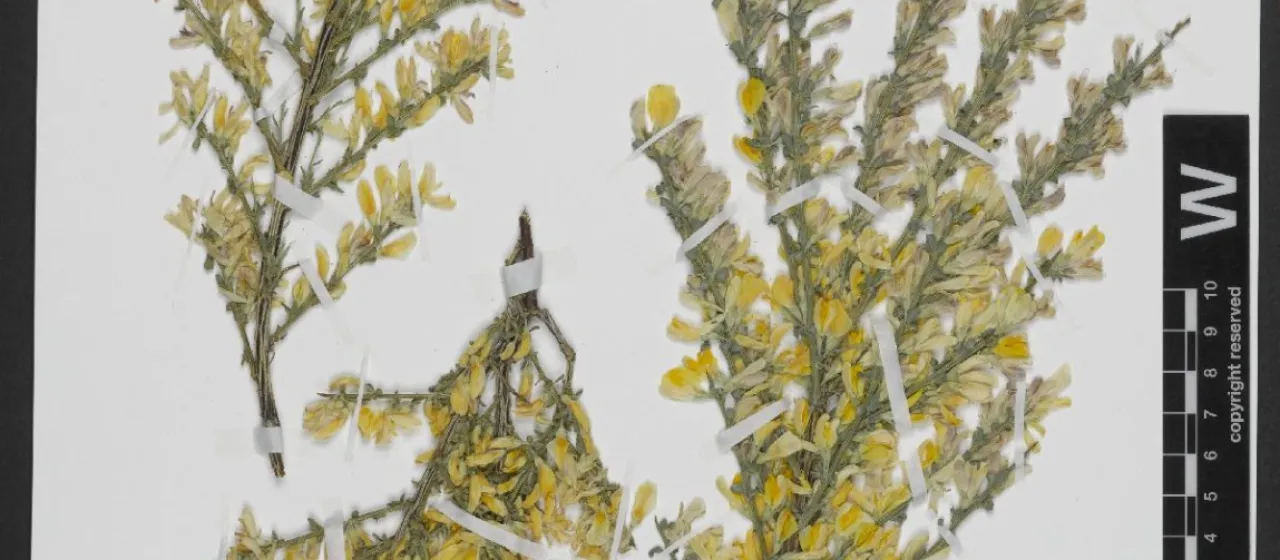
Description
Genista versicolor is a perennial shrub species belonging to the legume family (Fabaceae). It is primarily recognized for its ornamental value and its environmental role as a nitrogen-fixing plant, which helps improve soil quality in degraded or poor-nutrient landscapes.
The origin of this species is linked to the mountain ranges of Southern Europe, particularly the Sierra Nevada. As a mountain-adapted plant, it is naturally accustomed to high altitudes, rocky terrain, and intense sun exposure, making it highly resilient to harsh climate conditions.
Botanically, this shrub grows in a dense, compact form with a height ranging from 60 to 100 centimeters. It is characterized by small, often pubescent leaves and vibrant, color-shifting flowers that appear in late spring. These features allow the plant to withstand significant thermal fluctuations.
Agricultural and gardening requirements focus on well-drained, sandy, or rocky soil. The plant thrives in full sun and requires minimal water once fully established. Because it is sensitive to waterlogging, it is crucial to avoid heavy, clay-based soils or sites with poor drainage, which can cause root rot.
- Requires full sun exposure for optimal blooming.
- Thrives in lean, well-draining mineral soils.
- Excellent for erosion control on slopes.
- Minimal maintenance once the root system is deep.
In terms of management, the main challenges include protecting young plants from occasional aphid infestations and ensuring proper spacing to prevent fungal infections like powdery mildew. It is a highly sustainable choice for xeriscaping and reclamation projects where traditional crops would fail to survive.