Spotted gentian
Gentiana punctata
Description
Spotted gentian (Gentiana punctata) is a perennial herbaceous plant belonging to the Gentianaceae family. It is a highly valued medicinal and ornamental crop, native to the alpine regions of Central and Southern Europe, including the Alps and the Carpathians. The plant is primarily cultivated for its roots, which contain potent bioactive compounds used in traditional and modern medicine.
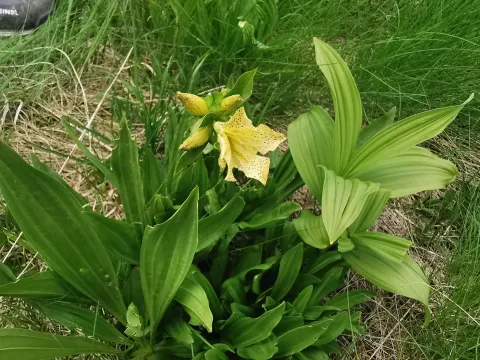
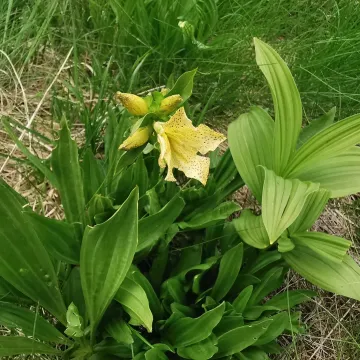
Botanically, the plant features a sturdy, erect stem ranging from 20 to 60 cm in height. Its leaves are arranged oppositely and are broad-lanceolate in shape. The most striking feature of Gentiana punctata is its inflorescence: large, bell-shaped, yellow flowers heavily speckled with dark purple or brown dots. This unique pattern serves as the botanical hallmark of the species.
To successfully cultivate spotted gentian, growers must simulate its natural mountain habitat. The species thrives in cool, moist climates with good air circulation. It prefers open, sunny locations but can tolerate partial shade in warmer regions. Soil requirements include well-draining, nutrient-rich loams that are slightly acidic to neutral; heavy, waterlogged clay soils must be amended with gravel or sand to prevent root rot.
The agronomic cycle for spotted gentian begins with cold stratification of seeds, which is necessary to break dormancy. Once established, the plant requires consistent weed control during the first two years of growth, as it is relatively slow-growing. Irrigation should be applied moderately, ensuring the soil remains moist but never saturated. Harvest of the roots is typically delayed until the plants reach their third or fourth year of maturity to ensure maximum concentration of active constituents.
In terms of agricultural and commercial use, the roots of the spotted gentian are the primary harvest target, known for their extreme bitterness and digestive stimulating properties. They are widely processed into herbal bitters, liqueurs, and medicinal digestive aids. Beyond its pharmaceutical value, the plant is increasingly sought after by landscape designers for rock gardens and naturalistic meadow plantings, adding significant ornamental value to alpine-style landscapes.
- Vulnerable to fungal infections if soil drainage is poor.
- Slugs and snails can cause significant damage to young seedlings.
- Regular mulching is recommended to maintain stable soil moisture levels.
Photo gallery