Geogenanthus ciliatus
Geogenanthus ciliatus G. Brückn.
Description
Geogenanthus ciliatus is a rare and highly sought-after ornamental plant belonging to the Commelinaceae family. Known for its lush, dark-green foliage and distinctive ciliated leaf edges, this plant represents a niche but fascinating subject for collectors of tropical flora. It stands out in indoor gardens due to its compact, rosetted growth habit.
The origin of this species is traced back to the humid tropical rainforests of South America, specifically the Amazon basin. In its native habitat, it thrives in the understory, where it is sheltered from direct sunlight and benefits from consistently high ambient humidity. Understanding this native environment is key to successfully maintaining the plant in a controlled cultivation setting.
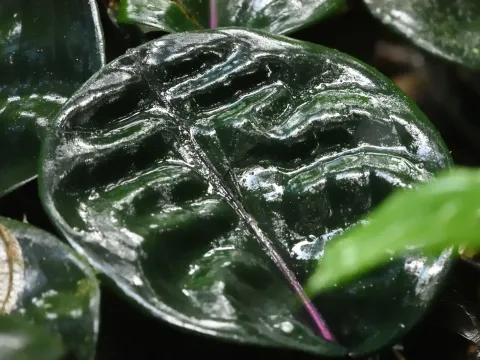
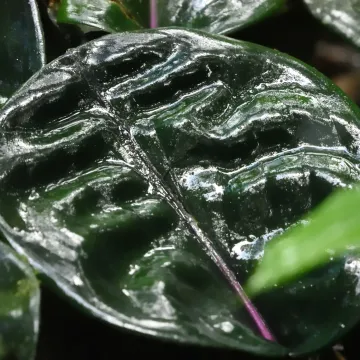
Botanically, Geogenanthus ciliatus is characterized by broad, elliptic leaves that display a glossy sheen. The margins of the leaves feature fine hairs, which distinguish it from other related species. The plant typically grows in a low-spreading rosette, and its slow growth rate makes it ideal for specialized indoor gardening setups such as terrariums or glass cabinets.
Successful cultivation requires a strict adherence to tropical conditions. The plant prefers bright, indirect light; direct sun will quickly cause leaf scorch. The growing medium must be loose, airy, and well-draining, mimicking the forest floor detritus. Maintaining a constant moisture level in the soil is crucial, though waterlogging must be avoided to prevent root rot.
- Light: Indirect, shaded conditions.
- Water: Consistent moisture, avoiding saturation.
- Humidity: High (above 60% is recommended).
- Substrate: Peat-based mix with high aeration.
In terms of agricultural and horticultural use, Geogenanthus ciliatus is strictly an ornamental crop. It is rarely found in mass-market garden centers, making it a specialized commodity for collectors. Its cultivation is primarily focused on small-scale nurseries that specialize in rare tropical perennials, often grown in enclosed environments where climate control is precise.
Regarding plant health, the most frequent issues involve spider mite infestations, which are common when the air humidity drops too low. Fungal infections of the root system can occur if the substrate is poorly drained or if the plant remains waterlogged for extended periods. Preventive maintenance, including proper spacing and good ventilation, is essential for its survival.
Photo gallery