
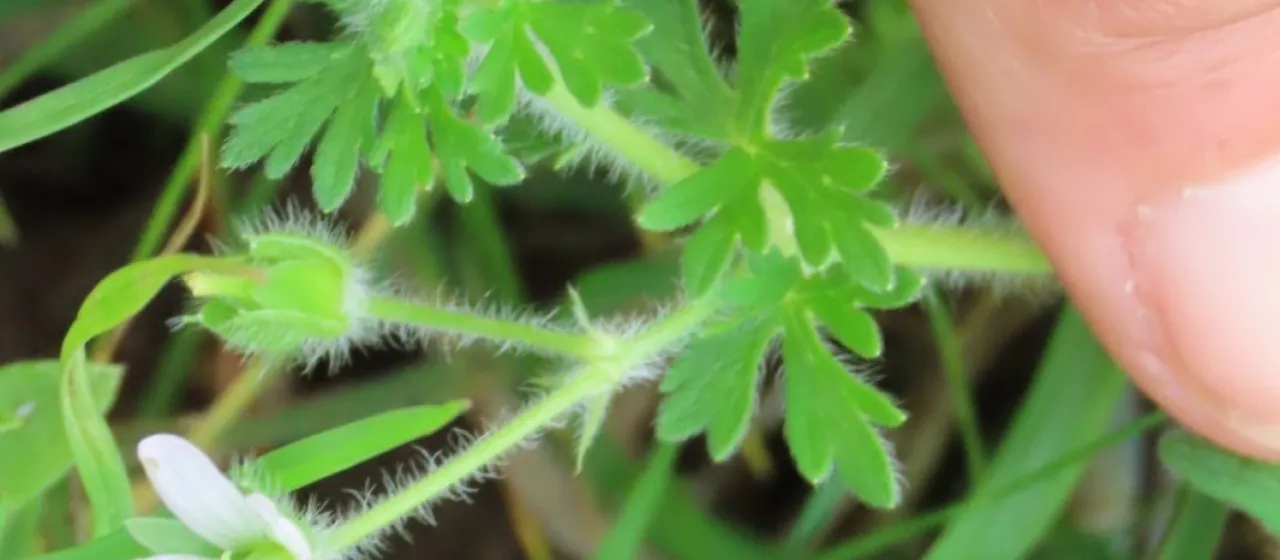
Description
White geranium (Geranium albicans) is a perennial herbaceous plant belonging to the Geraniaceae family. This species is recognized for its distinctive appearance, characterized by fine pubescence on the leaves that gives them a whitish or silvery sheen. As an agricultural and ornamental crop, it is highly valued for its aesthetic appeal and structural durability in garden environments.
The native habitat of this plant includes high-altitude regions and rocky slopes, which has shaped its biological resistance to harsh climates. In agricultural practice, it is cultivated primarily in regions with temperate climates, where it can be utilized in rock gardens and sustainable landscaping projects. Its natural resilience makes it a suitable candidate for low-maintenance garden designs.
Botanically, the plant features a basal rosette of deeply lobed leaves and sturdy stems that support delicate, five-petaled flowers. The root system is well-adapted to rocky substrates, often forming a woody caudex. Growth is generally slow but steady, and the plant maintains its structural integrity throughout the growing season, which is a major advantage for commercial growers.
Successful cultivation requires well-draining soil with a slightly alkaline to neutral pH. It is essential to ensure that the site provides adequate airflow to prevent moisture accumulation around the crown. The plant thrives in full sun, although it can tolerate light afternoon shade in warmer regions. Consistent moisture is needed during the establishment phase, but once matured, it exhibits notable drought tolerance.
Common agricultural threats include fungal diseases like powdery mildew, which can occur if the planting density is too high or air circulation is poor. Pests such as aphids or spider mites can occasionally affect the foliage, especially in dry conditions. Proper monitoring and integrated pest management are recommended to maintain plant vigor throughout the vegetative period.