
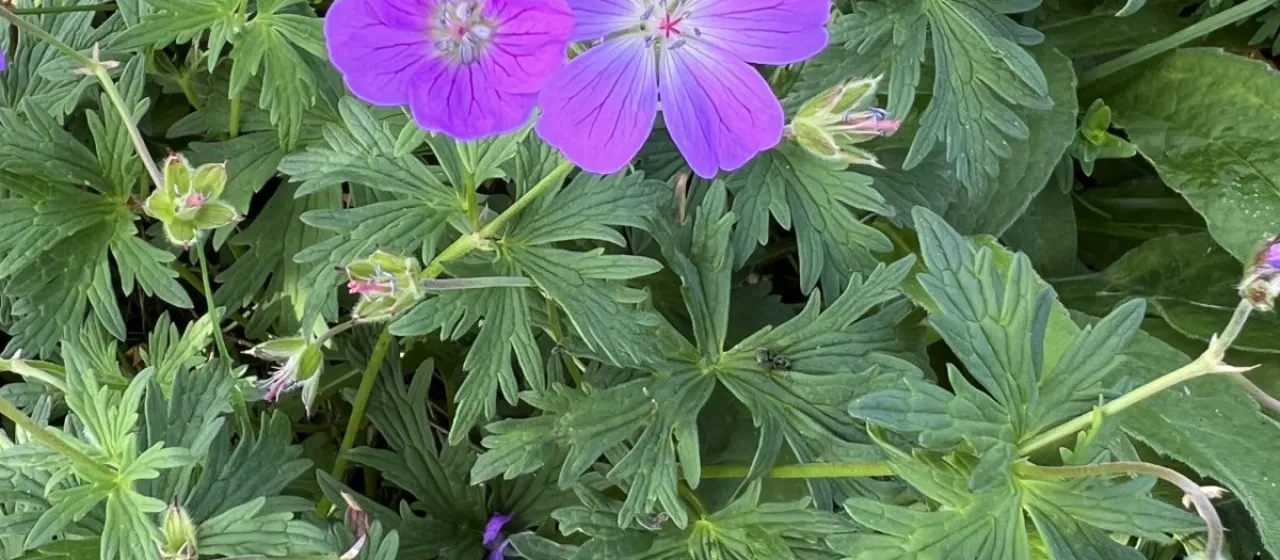
Description
Blue crane's bill (Geranium caeruleatum) is a perennial herbaceous plant belonging to the family Geraniaceae. In agricultural and horticultural contexts, this species is highly valued for its robust growth habits and distinctive blue-tinted flowers, making it a reliable choice for commercial landscaping and botanical collections.
The origin of the species is linked to temperate forest edges and montane meadows, which has dictated its environmental preferences. It thrives in regions with moderate moisture levels and cooler temperatures, showing remarkable adaptation to varying light intensities, although it prefers partial shade for optimal floral performance during the summer months.
Botanically, the plant features a rosette of basal leaves and an extensive root system that supports its endurance throughout the growing season. The foliage is often deeply lobed, providing a dense texture that suppresses weed growth around the plant base. The flowers, ranging from pale blue to deep violet, are highly effective in attracting pollinators, which benefits the surrounding ecosystem.
Agronomic management requires fertile, well-drained soil with a slightly acidic to neutral pH. Regular irrigation is essential during dry spells to maintain plant vigor, but drainage must be managed to prevent saturation. Annual application of balanced fertilizers promotes lush foliage development and consistent blooming throughout the season.
Despite being relatively hardy, the plant is susceptible to common pests such as aphids and fungal diseases like rust or powdery mildew if air circulation is poor. Effective management involves monitoring plant health, employing organic or chemical pesticides as necessary, and ensuring proper spacing between plants to maximize airflow and minimize disease pressure.