
Description
Carolina cranesbill (Geranium carolinianum) is an annual or biennial herbaceous plant belonging to the Geraniaceae family. In agricultural science, this species is frequently documented as a widespread weed found in disturbed soils, though it possesses distinct morphological and biochemical features that merit careful observation by agronomists.
Native to North America, the species has demonstrated a remarkable ability to naturalize across diverse temperate regions globally. It thrives in open agricultural fields, pastures, and along roadside verges. Its adaptability to varying environmental conditions allows it to establish significant population densities within short vegetation cycles.
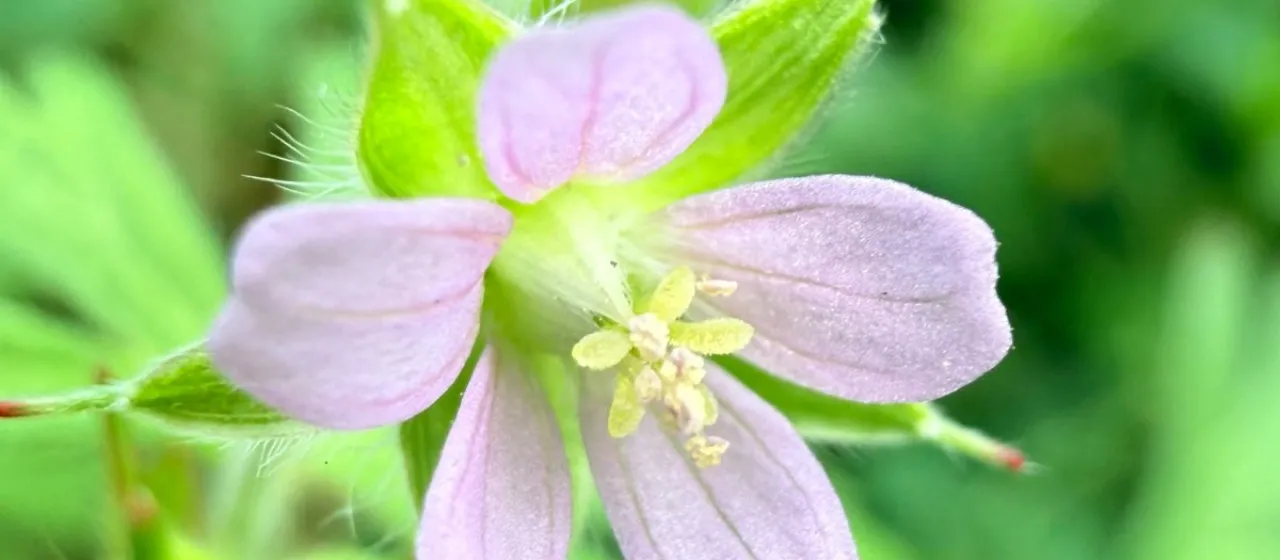
Botanically, the plant is characterized by a branched, hairy stem reaching heights of 10–40 cm. The leaves are deeply palmately lobed, and the plant produces clusters of small, pale pink to white flowers. A defining feature is its fruit capsule, which utilizes an explosive seed dispersal mechanism, enabling the plant to spread effectively across large areas of farmland.
Cultivation or control efforts require an understanding of its soil preferences; it thrives in well-drained, sandy, or loamy substrates. While it shows some drought tolerance, the species is best managed through integrated weed control strategies, including mechanical tillage and the precise application of herbicides during the rosette stage to prevent seed set.
From an agricultural management perspective, it is susceptible to several common stressors, including powdery mildew and aphids. While often viewed as a nuisance, researchers continue to study its role in ecosystem diversity and its chemical properties. Successful crop protection relies on early identification and targeted management practices to limit the impact of this competitive species.