
Description
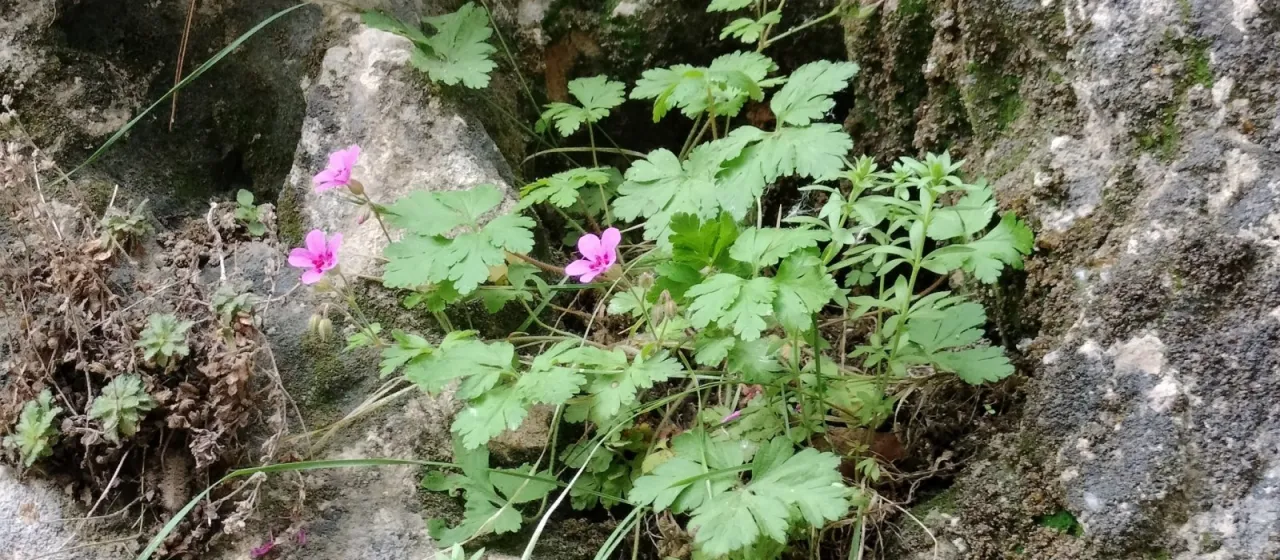
The Waterfall cranesbill (Geranium cataractarum) is a rare and distinct species of perennial herb belonging to the Geraniaceae family. Its specific epithet refers to its natural habitat preference, which often involves rocky cliffs, slopes, and areas influenced by mountain water sources, reflecting its botanical hardiness.
This species is native to specific mountainous regions, primarily documented in parts of Spain. Its natural distribution is quite localized, making it an ecologically sensitive species that thrives in niche environments where high drainage and rocky mineral content are available, distinguishing it from more common garden geranium varieties.
Botanically, Geranium cataractarum is characterized by its compact, low-growing habit and deeply dissected, attractive foliage that provides seasonal interest. Its root system is specialized for anchoring the plant in crags and stony soil, allowing it to withstand environmental stresses such as wind and intermittent drought, while its flowers add a delicate aesthetic value to its rugged appearance.
Successful cultivation requires mimicking its natural mountain environment. The primary requirement is exceptional drainage; heavy or waterlogged soils are detrimental to this species. It performs best in rock gardens or containers with a gritty, well-draining substrate. Partial shade is generally preferred to protect the plant from intense midday heat, which can scorch the foliage.
- Excellent drainage is essential to avoid root rot.
- Prefers cool, well-ventilated positions with moderate light.
- Propagation is typically achieved through seeds or careful division.
- Fertilization should be kept light to prevent leggy growth.
In terms of хозяйственное usage, the Waterfall cranesbill is highly valued in specialty landscaping and alpine gardening. It is a sought-after plant for rockery enthusiasts who aim to recreate natural mountainous habitats. Growers should remain vigilant against common pests such as aphids and fungal diseases, which can arise if the microclimate around the plant becomes overly humid or stagnant.