
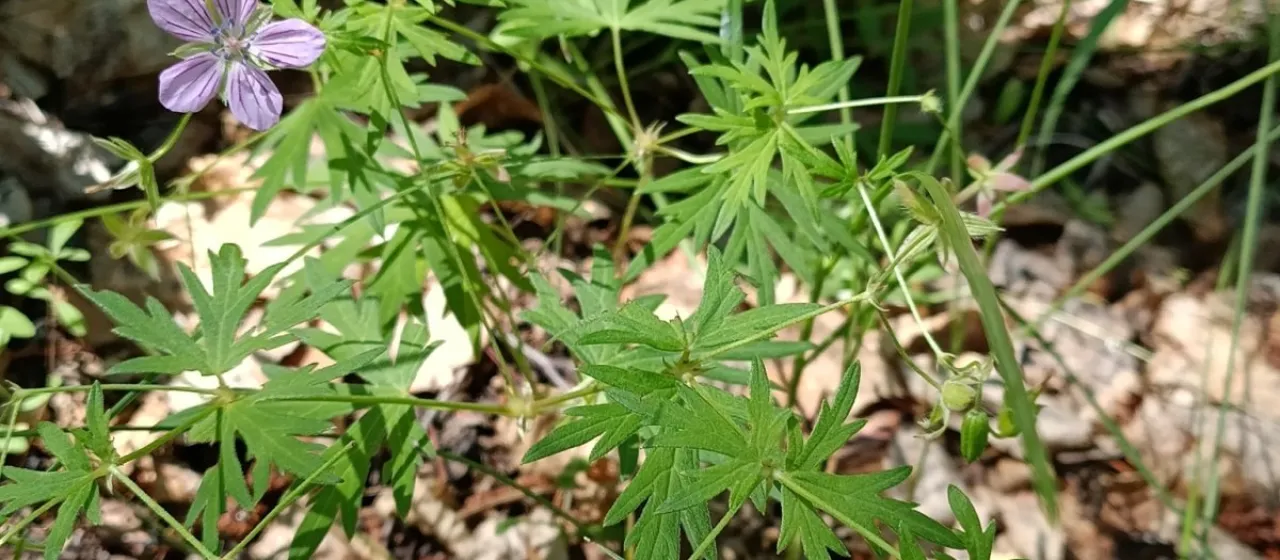
Description
Dahurian cranesbill (Geranium dahuricum) is a perennial herbaceous plant belonging to the Geraniaceae family. Recognized for its resilience and adaptability, this species is cultivated both for its medicinal properties and as a robust ornamental plant in temperate climate zones.
Originating from regions of Eastern Siberia, the Russian Far East, Mongolia, and Northern China, the plant naturally thrives in meadows and on stony slopes. Its geographical distribution indicates a strong resistance to harsh winters and short growing seasons, making it a reliable choice for agriculture in northern latitudes.
Botanically, the species is defined by its erect stems reaching up to 60 centimeters, palmately lobed foliage, and distinct purple-violet blossoms. The plant features a well-developed root system that facilitates nutrient uptake in diverse soil types, ensuring survival during dry spells.
For successful cultivation, Dahurian cranesbill requires well-drained, nutrient-rich, or even moderately poor soils with consistent exposure to sunlight. The agrotechnique is relatively straightforward: minimal irrigation is necessary once established, and standard weed control in the initial growth phase is sufficient to ensure a healthy yield.
- Requires sunny locations for maximum flowering.
- Thrives in well-drained, slightly acidic to neutral soils.
- Demonstrates high resistance to most common pests and diseases.
- Used in the pharmaceutical industry for its tannin and flavonoid content.
- Excellent for sustainable landscaping due to low maintenance requirements.
Beyond its traditional use in herbal medicine, this crop is valued for its ability to prevent soil erosion and improve biodiversity. Its natural defenses, including the presence of essential oils, significantly reduce the incidence of damage by agricultural pests, simplifying the management process for growers.