
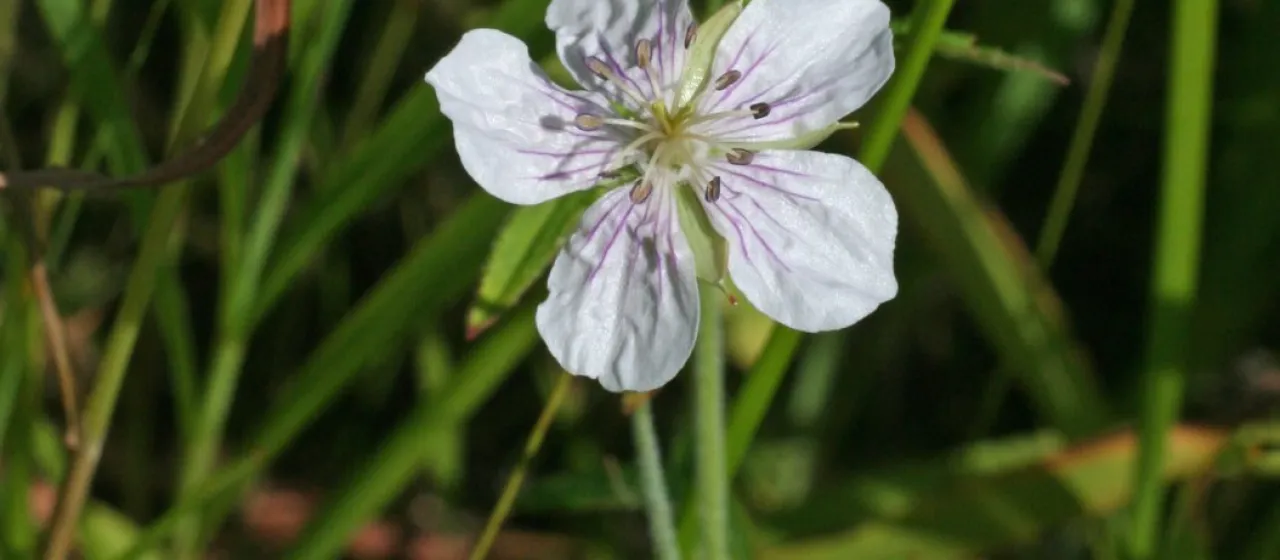
Description
Geranium krameri is a perennial herbaceous plant belonging to the Geraniaceae family. This species is highly regarded in horticultural circles for its aesthetic appeal and robust growth habit. It is particularly valued for its ability to form dense, low-growing colonies that serve as an excellent ground cover, effectively suppressing weeds and minimizing soil erosion in gardens.
Native to East Asia, specifically Japan, this plant has adapted to diverse environments ranging from woodland edges to open meadows. Its natural distribution indicates a preference for temperate climates with moderate moisture levels. Because of its historical background in Asian landscapes, it has become a staple for gardeners seeking reliable, low-maintenance perennial species that thrive in partial shade.
Botanically, the plant features distinct palmately lobed leaves that provide a textural interest throughout the growing season. During its flowering phase, it produces delicate, vein-patterned blooms in shades of pink or violet, which attract various pollinators. The root system is resilient and spreads horizontally, allowing the plant to establish itself firmly in its chosen environment over time.
Regarding agrotechnical requirements, Geranium krameri thrives in well-drained, nutrient-rich soils with a slightly acidic to neutral pH. While it is tolerant of varying conditions, consistent moisture during the initial establishment phase is crucial. Gardeners are advised to provide adequate spacing to ensure good air circulation, which helps prevent foliage issues, and to prune the plant after its primary bloom to maintain vigor.
The primary horticultural and agricultural uses for this species include:
- Ornamental border planting in temperate gardens.
- Use as a weed-suppressing ground cover in woodland settings.
- Integration into ecological landscape designs for pollinator support.
- Container gardening for patio and terrace decoration.
Like many hardy perennials, Geranium krameri can be susceptible to common pests such as aphids or spider mites, particularly during hot, dry spells. Fungal diseases, including powdery mildew or leaf spots, may occur if air movement is restricted. Effective management involves preventative spacing, monitoring leaf health, and practicing standard garden hygiene to keep the plants healthy and vigorous year after year.