
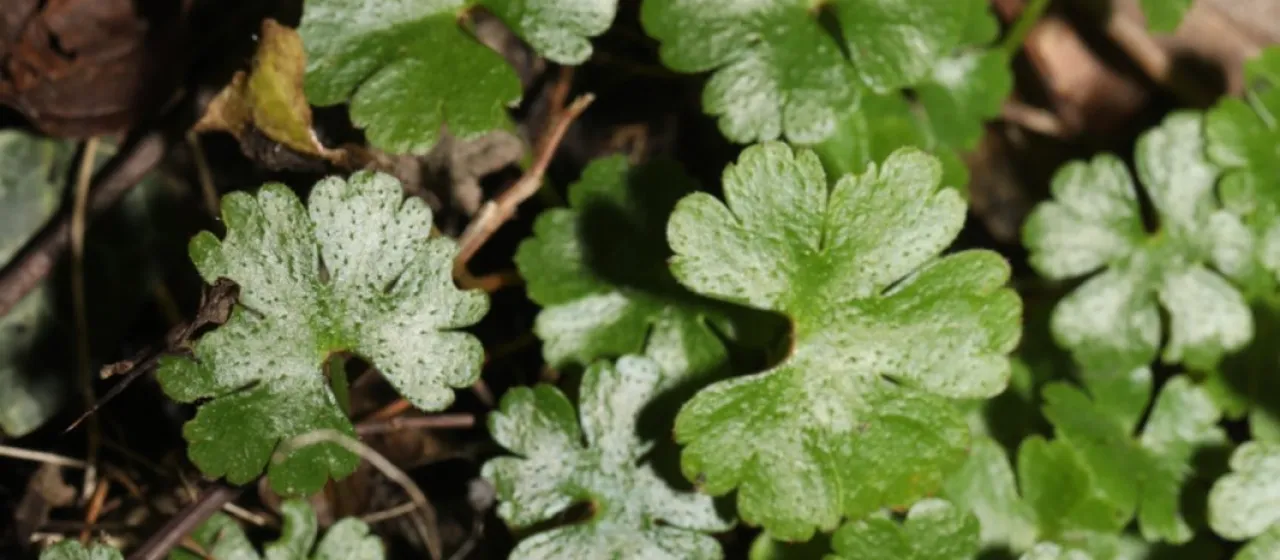
Description
Shining cranesbill (Geranium lucidum) is an annual herbaceous plant belonging to the Geraniaceae family. In a cultivation context, it is primarily categorized as an ornamental species prized for its glossy foliage and delicate aesthetic, making it an excellent candidate for shade-loving garden groundcovers.
The plant is native to Europe, the Caucasus, and parts of North Africa. It is typically found in habitats such as woodland margins, rocky slopes, and moist, shaded ground. Due to its natural adaptability, it has spread across various temperate regions, where it is cultivated intentionally for its ability to soften the look of bare garden spaces.
Botanically, shining cranesbill is recognized by its fragile, often reddish-tinged stems and shiny, round leaves that catch the light. During its flowering period in late spring and early summer, it produces small, pale pink flowers. The plant's ability to turn a brilliant crimson shade in the autumn adds significant seasonal interest.
Cultivation requirements for this species include consistent moisture and well-draining, humus-rich soil. It thrives best in partial shade, as excessive direct sunlight can cause the foliage to wilt and lose its characteristic sheen. Management involves regular monitoring of soil moisture and careful weeding, as the plant spreads through prolific seed production.
The main agricultural and horticultural use of the shining cranesbill is within landscape architecture for ground cover, border planting, and rock gardens. Like most geraniums, it is susceptible to pests such as aphids and fungal issues like powdery mildew, particularly when planted in areas with poor air circulation or excessive soil saturation.