
Description
Geranium maximowiczii is a perennial herbaceous plant belonging to the Geraniaceae family. In the context of horticulture and landscape management, this species is highly regarded for its robust nature and aesthetic appeal. It develops into dense, low-growing mounds of foliage, making it a reliable choice for gardeners who seek low-maintenance, long-lived perennials for their outdoor spaces.
The native distribution of this species spans the Russian Far East, Northeast China, the Korean Peninsula, and Japan. This origin indicates that the plant is inherently adapted to temperate climates with cold winters and distinct growing seasons. Its natural habitat typically includes meadows and the edges of forests, which suggests a preference for environments with moderate moisture and rich, well-draining soils.
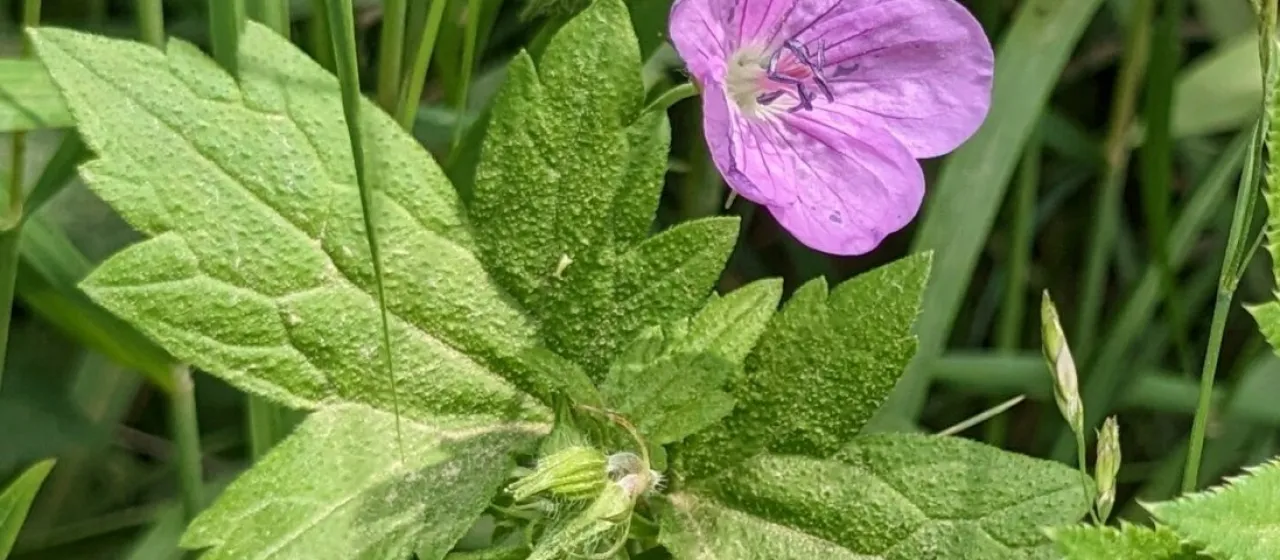
Botanically, Geranium maximowiczii is characterized by its palmate leaves and delicate, pinkish-purple flowers that bloom during the mid-summer period. The root system consists of a sturdy rhizome that allows the plant to overwinter successfully and emerge vigorously each spring. These features ensure the plant maintains its vigor even in competitive ecological conditions.
Regarding agrotechnical requirements, this species thrives in locations with full sun to partial shade. The ideal soil profile is a loamy, well-draining substrate with a neutral to slightly acidic pH. While the plant is drought-tolerant once established, supplemental irrigation during prolonged dry spells significantly enhances flower production. Proper spacing during planting is essential to ensure adequate air circulation, which helps prevent foliage-related issues.
The plant is primarily utilized in ornamental horticulture for its ability to stabilize soil and suppress weeds through dense ground cover. While not a major industrial crop, it is of interest to botanical researchers due to the phytochemical compounds present in its foliage. Common pests include aphids and mites, particularly in hot and dry climates, while powdery mildew may occur if the plants are situated in areas with poor ventilation and high humidity.