
Description
Broad-anther cranesbill (Geranium platyanthum) is a perennial herbaceous plant belonging to the Geraniaceae family. As a true species of the Geranium genus, it is distinguished from the popular pelargoniums by its cold hardiness and preference for woodland or meadow habitats, making it a reliable choice for perennial gardens.
The native range of this species extends across Eastern Asia, including the Russian Far East, Northeast China, and Japan. It is typically found in natural forest edges and shaded meadows, indicating its adaptation to temperate climatic conditions and moderate soil moisture levels throughout the growing season.
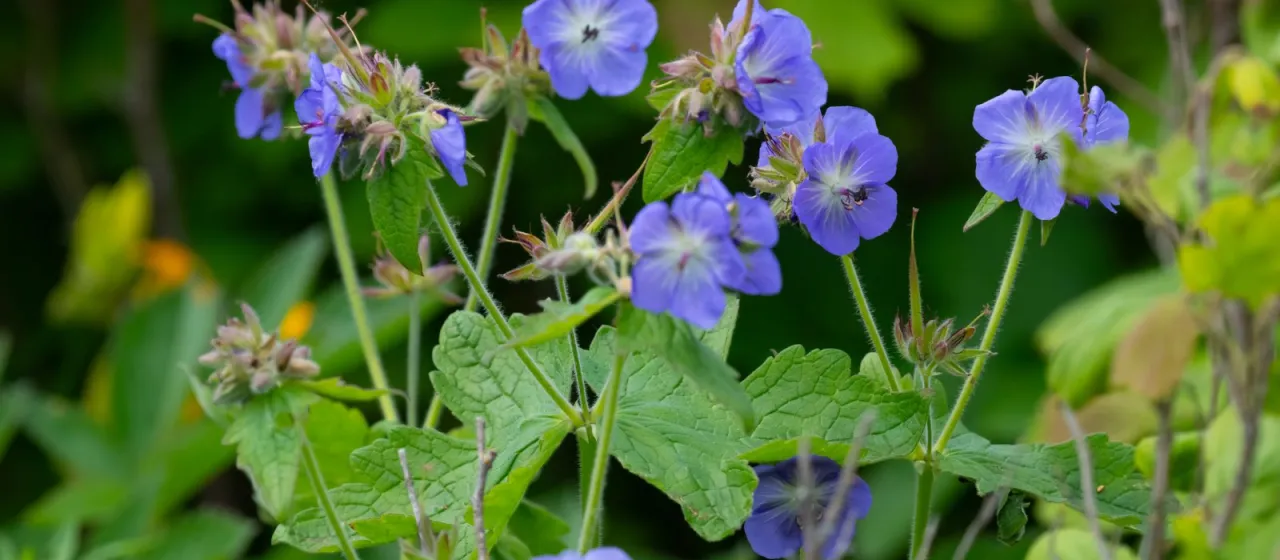
Botanically, the plant features a robust rhizome and upright stems that can grow up to 80 centimeters tall. The leaves are palmately lobed and notably pubescent, a trait that extends to the filaments of the stamens, providing the species with its specific scientific name. The flowers are generally purple or violet, appearing in distinct clusters during the summer.
In terms of cultivation, Geranium platyanthum thrives in semi-shaded areas with well-drained, humus-rich soil. While it is quite drought-tolerant once established, it benefits from consistent soil moisture during extreme heat. The plant is low-maintenance, requiring only minimal fertilization and occasional deadheading to keep the garden tidy.
The primary horticultural application of this plant is in landscape design, particularly for naturalistic garden styles and woodland borders. It is highly valued for its resilience against common pests and diseases, providing a lush, green foliage backdrop that persists throughout the season, followed by delicate, attractive blooms that support local pollinators.