
Description
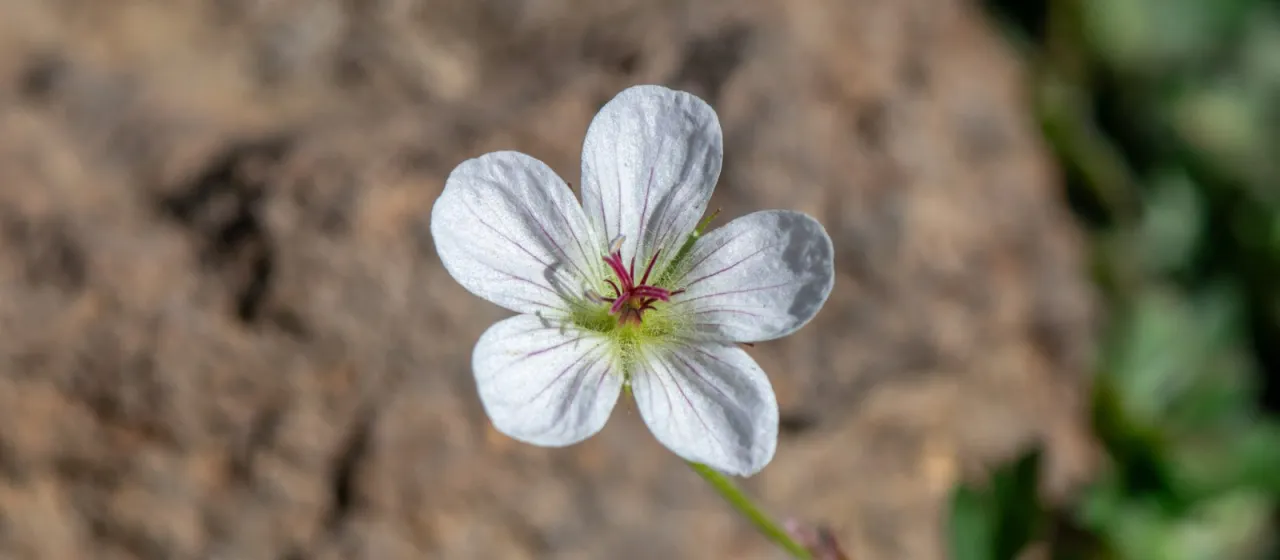
Richardson's geranium (Geranium richardsonii) is a robust perennial herb belonging to the Geraniaceae family. Recognized for its elegant white to pale pink flowers with purple veining, this species is highly regarded in both native plant gardening and ecological landscaping. It serves as a vital component in its natural environment, contributing to biodiversity by supporting a wide range of pollinating insects.
The origin of this species is traced back to western North America. Its natural range extends from Alaska down through the mountains of the Western United States to northern Mexico. Due to its adaptation to diverse environments—ranging from moist montane meadows to open coniferous forest edges—the plant possesses excellent resilience and cold hardiness, making it suitable for temperate zone agriculture and landscaping.
Botanically, the plant features a rhizomatous root system that aids in long-term survival. The stems typically reach a height of 30 to 70 centimeters and are covered in glandular hairs, a common characteristic of the genus that helps deter certain herbivorous insects. The foliage consists of deeply lobed leaves, which form a lush, attractive base for the delicate blooms that appear from early to late summer.
Cultivation requirements for Geranium richardsonii focus on mimicking its natural habitat conditions. It thrives in well-drained, nutrient-rich soils with a neutral pH. While it is quite adaptable, the species performs best in partial shade, where the soil moisture remains consistent. Adequate spacing during planting is essential to ensure proper air circulation, which helps maintain the health of the foliage and prevents the onset of common plant diseases.
In terms of agricultural and horticultural use, the plant is valued for several key functions:
- Enhancement of native habitat restoration projects.
- Use as a groundcover in shaded or semi-shaded landscape sections.
- Providing a reliable nectar source for native bee species.
- Low-maintenance gardening due to its longevity and vigor.
As with many members of the Geranium genus, pest and disease management is largely preventative. Issues such as powdery mildew or leaf spots may arise in overly damp conditions or areas with poor ventilation. Common pests, including aphids and spider mites, can typically be managed through cultural practices such as regular cleaning of garden debris, maintaining appropriate moisture levels, and ensuring that the plants are not overcrowded.