
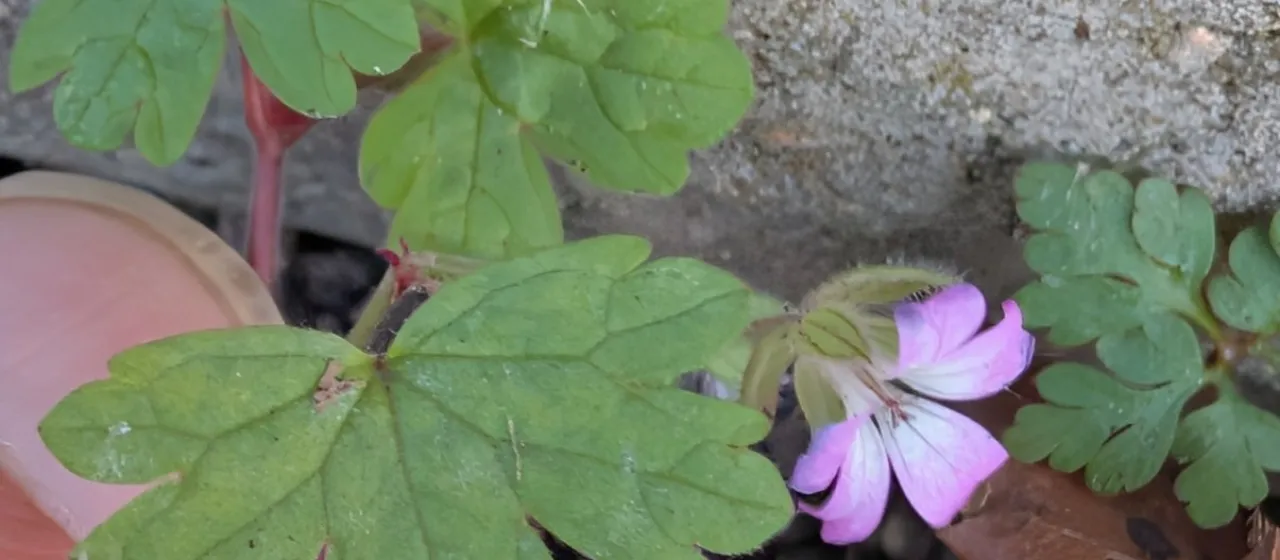
Description
The round-leaved cranesbill (Geranium rotundifolium) is an annual herbaceous plant belonging to the Geraniaceae family. In an agricultural context, it is frequently identified as a weed, often found in fields, orchards, and vineyards where it competes with crops for water, sunlight, and soil nutrients.
Originating from Europe, Western Asia, and Northern Africa, this species has successfully naturalized in many regions across the globe. It demonstrates a high degree of adaptability, thriving in various environments, from disturbed urban soils to well-managed agricultural fields where nitrogen levels are high.
Botanically, it is characterized by a branched stem reaching 20-40 cm and rounded, palmately lobed leaves. Its small, pale pink or purplish flowers bloom throughout the summer. A distinctive feature is its seed dispersal mechanism; as the fruit matures, it launches seeds, allowing the plant to rapidly expand its territory.
Regarding agrotechnical requirements, the plant prefers well-drained, fertile soils but can survive in harsh conditions. Effective management requires a combination of mechanical techniques, such as tillage and weeding, and the selective use of herbicides during the early rosette stage to prevent the maturation of the seed bank.
While the round-leaved cranesbill is generally considered an agricultural pest, it serves as a nectar source for pollinators. Common threats to the plant include powdery mildew, which can significantly damage its health in humid conditions, and typical garden pests like aphids, which often settle on the foliage during active growth phases.