
Description
Geranium soboliferum is a perennial herbaceous plant belonging to the Geraniaceae family. Recognized for its resilience and unique physiological characteristics, this species serves as both an ornamental asset in landscape gardening and a specialized crop in the study of medicinal herbs due to its complex phytochemical profile.
The plant originates from East Asia, with a natural range encompassing parts of Russia's Far East, China, Japan, and the Korean Peninsula. Because it naturally thrives in meadows and woodland edges, it is well-adapted to temperate climates, showing significant hardiness when introduced to similar agricultural environments.
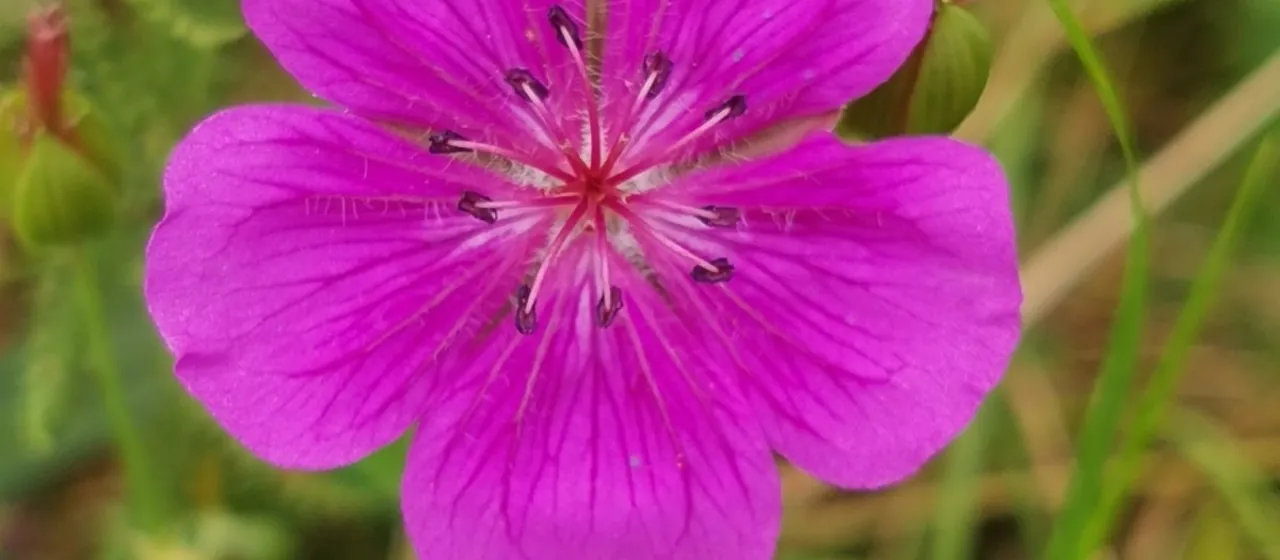
Botanically, Geranium soboliferum is characterized by its creeping rhizomes, which facilitate robust vegetative spread. The plant typically reaches heights of 30 to 60 centimeters, featuring palmately divided leaves and distinctively veined, pink-to-purple flowers. This morphological structure supports the plant's ability to survive in varied light and moisture conditions.
In terms of agricultural requirements, the crop performs best in well-drained, fertile soils with a neutral pH level. Effective cultivation practices include maintaining consistent soil moisture during the peak growing season and ensuring sufficient drainage to prevent root rot. While the plant is generally hardy, supplemental irrigation and mulching are recommended in drier climates.
The хозяйственное (economic) utility of this species is diverse:
- Pharmacology: Harvesting aerial biomass for extracts containing anti-inflammatory compounds.
- Landscape architecture: Utilizing its spreading habit for ground cover in sustainable planting schemes.
- Botanical research: Investigating its role in traditional medicine and environmental adaptation studies.
Like many members of the Geraniaceae family, this species can be susceptible to fungal pathogens such as powdery mildew or leaf spot, especially in environments with poor air circulation. Common pests include aphids and spider mites, which can be managed through integrated pest management (IPM) practices, such as biological control or the application of specific horticultural oils when necessary.