
Description
Tuberous cranesbill (Geranium tuberosum) is a perennial herbaceous plant belonging to the Geraniaceae family. Its name originates from the distinct tuberous roots that function as storage organs, allowing the plant to thrive in dry environments by sequestering nutrients to survive dormancy periods during harsh summer or winter conditions.
The native distribution of this species spans across the Mediterranean basin, the Caucasus, and parts of Central and Western Asia. It typically inhabits open grasslands, rocky slopes, and mountain meadows, where it has evolved to tolerate limited water availability and full sun exposure, making it a robust selection for specific garden environments.
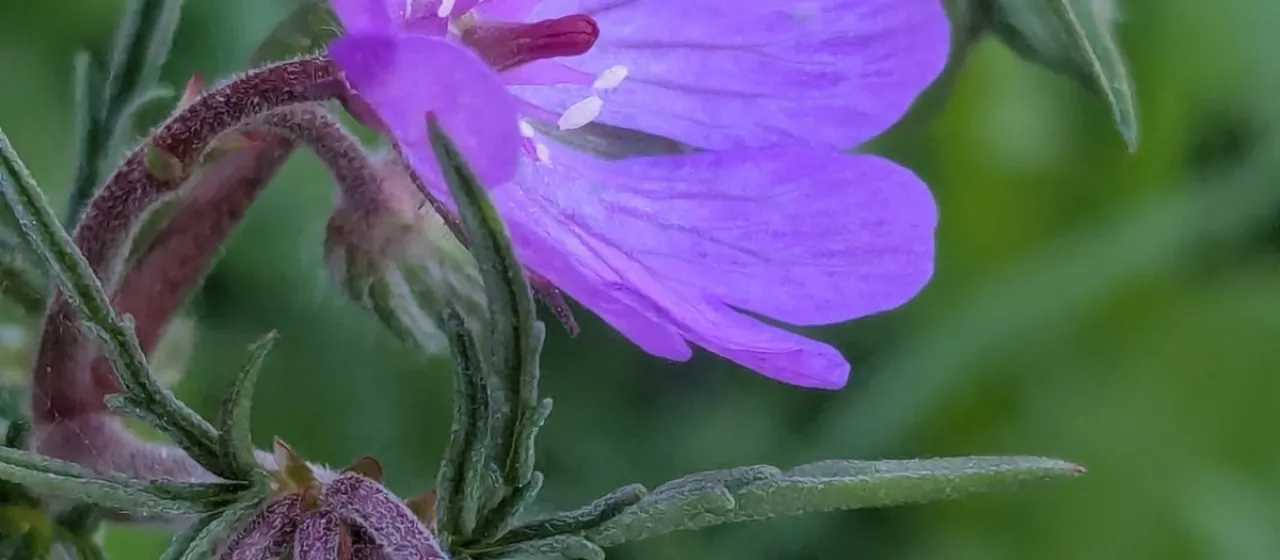
Botanically, the plant displays finely divided leaves and produces showy purple or violet flowers on stalks that can reach significant heights. Its life cycle is characterized by early spring activity, followed by a transition to dormancy where the foliage fades once the plant sets seed, effectively avoiding the high heat and drought of mid-summer.
Cultivation requirements focus on providing well-draining, loose soils with neutral to slightly alkaline pH levels. Heavy clay or waterlogged soils should be avoided at all costs, as they trigger rapid decay of the tubers. The species performs best in full sun, where the light intensity promotes healthy floral development and strong, upright stem growth.
In terms of agricultural and horticultural utility, the Tuberous cranesbill is valued in xeriscaping and rock gardening due to its low maintenance needs. While it is generally resistant to most pests and diseases, gardeners should monitor for:
- Root rot caused by stagnant water in the soil.
- Leaf spot pathogens triggered by poor air circulation.
- Occasional infestations of aphids during the rapid spring growth phase.