
Description
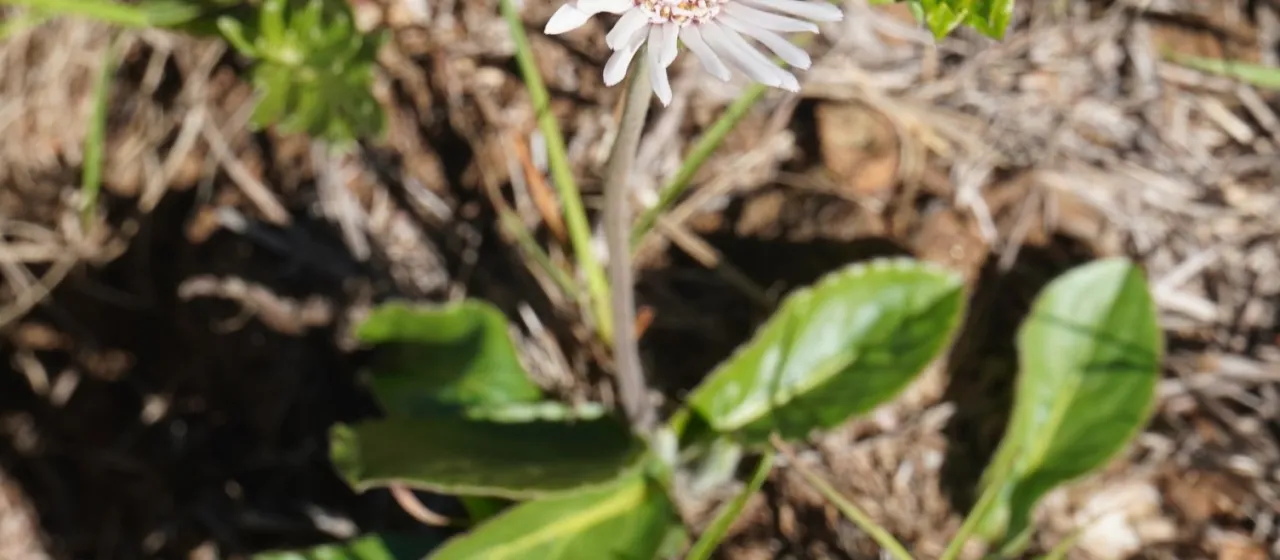
Green-leaved Gerbera (Gerbera viridifolia) is a perennial herbaceous plant belonging to the Asteraceae family. Known for its aesthetic appeal and genetic diversity, it serves as a foundational species for many commercial gerbera hybrids. The plant is characterized by a central rosette of leaves and long, upright stems supporting vibrant flower heads.
The species originates from Southern and Eastern Africa, thriving in environments with distinct seasonal changes. Its natural habitat includes grasslands and open forest margins, which dictates its preference for well-lit areas. In agricultural settings, it is grown primarily in controlled environments such as greenhouses to ensure standardized output for the floral industry.
Botanically, Gerbera viridifolia is distinct due to the texture and density of its foliage, which provides a natural buffer against environmental stressors. The plant requires a well-aerated, porous root zone to maintain health. Proper spacing during planting is essential to prevent moisture accumulation around the crown, which is vital for long-term productivity.
Agronomic requirements for this crop focus on precise water management and soil pH balance, ideally ranging from 5.5 to 6.5. Regular fertilization with balanced NPK ratios is necessary, especially during the peak flowering cycles. Temperature management is crucial; maintaining constant levels prevents physiological disorders such as stem bending or color fading.
Effective management of this crop requires constant vigilance regarding health threats:
- Powdery mildew triggered by poor ventilation.
- Root and crown rot caused by waterlogged soil conditions.
- Spider mites, which thrive in low-humidity greenhouse environments.
- Thrips, which cause significant damage to the floral discs and petals.