
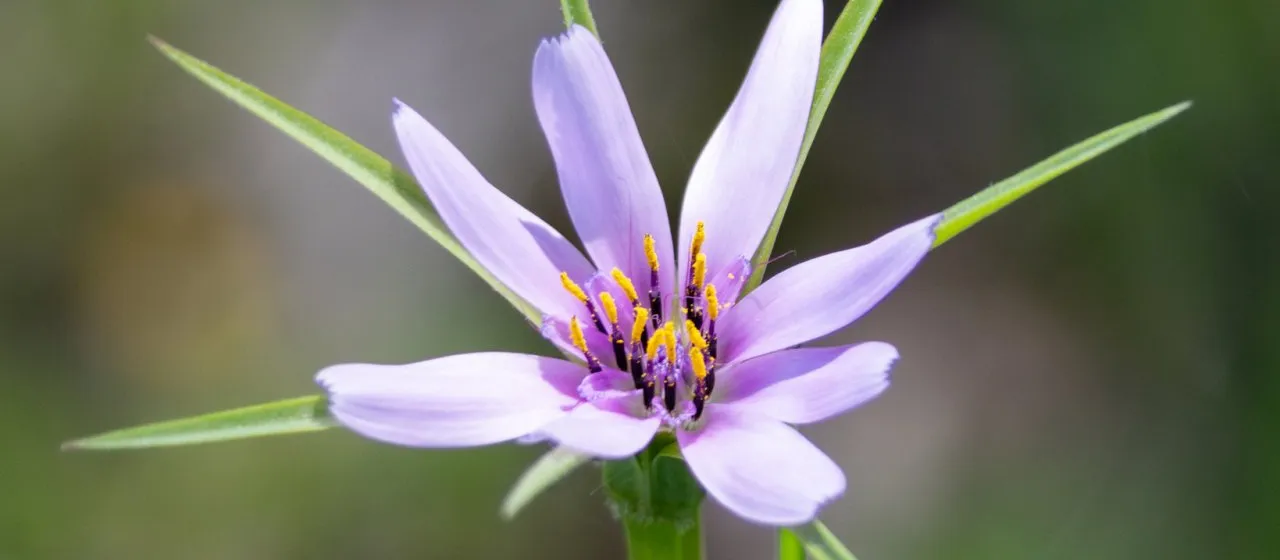
Description
Geropogon hybridus, known colloquially as the bearded goat's beard or simply by its Latin name, is a flowering plant species belonging to the Asteraceae family. It is a unique botanical entity that occupies a niche position in historical and specialized horticulture. Unlike more common root vegetables, this species represents a fascinating example of Mediterranean flora adapted for nutritional use.
The origin of Geropogon hybridus is traced back to the Mediterranean Basin, spanning from Southern Europe to Western Asia. It typically thrives in sunny, open habitats with well-drained soils. Because of its native environment, the plant has evolved to be highly resilient to seasonal dry spells, making it a potentially interesting candidate for sustainable gardening in arid or semi-arid climates.
Botanically, the plant is characterized by a taproot system, linear leaves, and distinctive pink-to-purple flower heads. The plant typically grows as an annual, reaching heights of up to 60 centimeters. Its reproductive strategy involves wind-dispersed seeds, which are equipped with feathery pappi, allowing for effective colonization of suitable disturbed soils.
Agronomic requirements for this crop focus on soil structure and drainage. It performs best in loose, sandy-loam soils where the taproot can develop without resistance. Overly heavy or waterlogged soils are detrimental to the crop, often leading to stunted growth or root rot. Maintenance involves consistent weeding during the early stages of growth, as the plant is not particularly competitive against invasive weeds.
The culinary and хозяйственное value of Geropogon hybridus lies in its edible roots and young shoots. Historically, it has been used as a specialty vegetable, often compared to salsify or asparagus in terms of texture and flavor profile. In terms of plant health, it is generally robust, although cultivators should watch for common Asteraceae pests like aphids or fungal infections that may occur during periods of high humidity.
- Requires full sun for optimal root development.
- Needs well-aerated soil for taproot growth.
- Harvesting should occur before the plant bolts and flowers.
- Can serve as both a food crop and an ornamental garden element.