
Description
Gerrardina (Gerrardina foliosa) is a perennial woody plant belonging to the Gerrardinaceae family. Originally placed in various taxonomic groups, it is now recognized as a distinct family, representing an interesting subject for botanical study due to its specific evolutionary traits.
The plant originates from South Africa, where it thrives in forest margins and coastal thickets. Its natural distribution is primarily found in the Eastern Cape and KwaZulu-Natal provinces, where it occupies niches that provide partial shade and relatively stable humidity levels throughout the year.
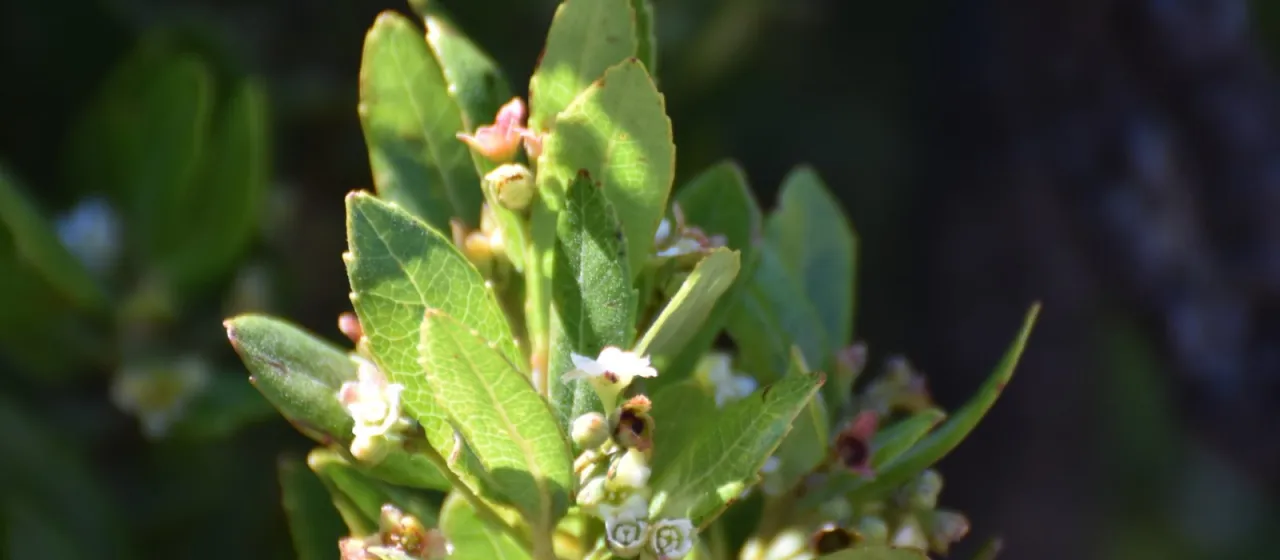
Botanically, Gerrardina foliosa is characterized by its flexible, sprawling branches and simple, alternate, leathery leaves. It produces small, subtle flowers, followed by dry fruit capsules. Its growth habit allows it to function as both a large shrub and a small, spreading tree depending on environmental constraints.
Cultivation requires well-draining, nutrient-rich soil with moderate organic matter content. It is a plant that prefers sheltered positions, as it cannot tolerate harsh, direct sunlight or severe frosts. Consistent, moderate watering is essential, especially during the active growing season, to maintain leaf turgor.
The primary use of Gerrardina is in ornamental horticulture and botanical conservation. It serves well as a structural plant in shaded garden sections or as part of a hedge in frost-free regions. Typical issues include potential infestations by sap-sucking insects and fungal diseases resulting from poor soil drainage or high humidity.