
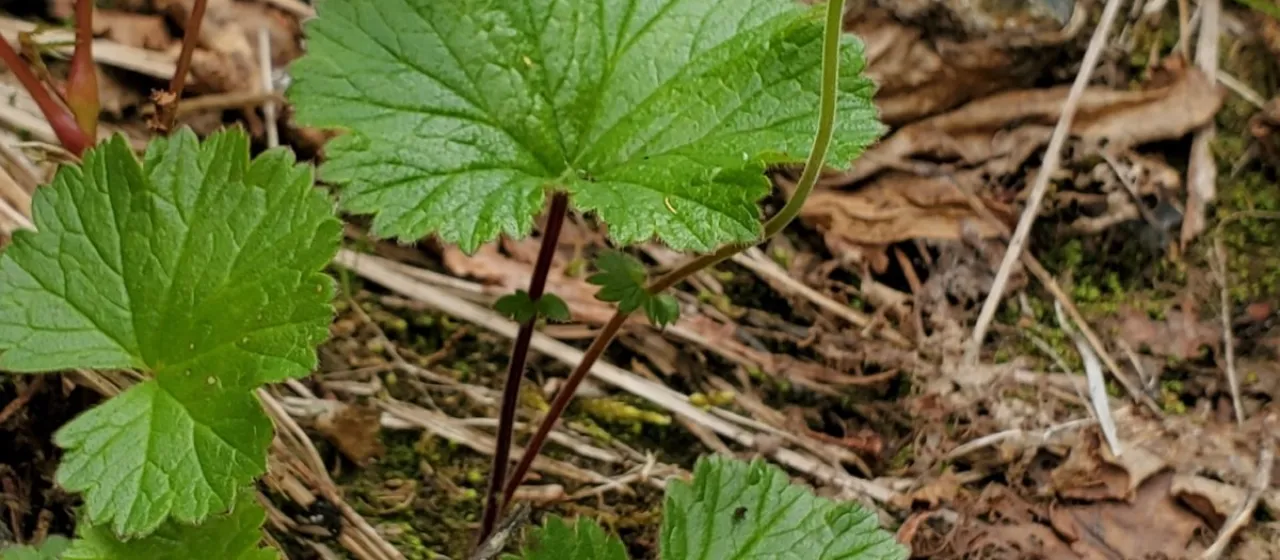
Description
Caltha-leaf avens (Geum calthifolium) is a perennial herbaceous plant belonging to the Rosaceae family. Often confused with other species within the Geum genus, this plant is recognized for its unique, broad, rounded leaves and its ability to thrive in demanding, cold-climate environments.
The native distribution area of this species encompasses subarctic and alpine regions, including the Aleutian Islands, Alaska, and parts of East Asia. Its evolution in harsh, high-latitude habitats has endowed the plant with significant frost resistance, allowing it to survive in environments where many decorative species fail to establish.
Botanically, the plant is characterized by a basal rosette of crinkled, kidney-shaped or rounded leaves. It produces bright yellow flowers atop sturdy stalks, which are highly effective at attracting early-season pollinators in its native alpine ecosystems. The root system is fibrous and hardy, adapted to rocky substrates.
For successful cultivation, Caltha-leaf avens requires a cool, temperate climate with consistent soil moisture. It prefers well-drained, slightly acidic to neutral soils enriched with organic matter. Growers should aim for sites that provide morning sun but protection from the scorching heat of the afternoon sun, which can cause leaf scorch.
In terms of хозяйственное usage, the plant is predominantly utilized in rock gardens and alpine-themed landscapes. It is valued for its hardiness and early flowering potential. While generally resilient, the plant can be susceptible to crown rot if drainage is insufficient or if air circulation around the base is compromised.