
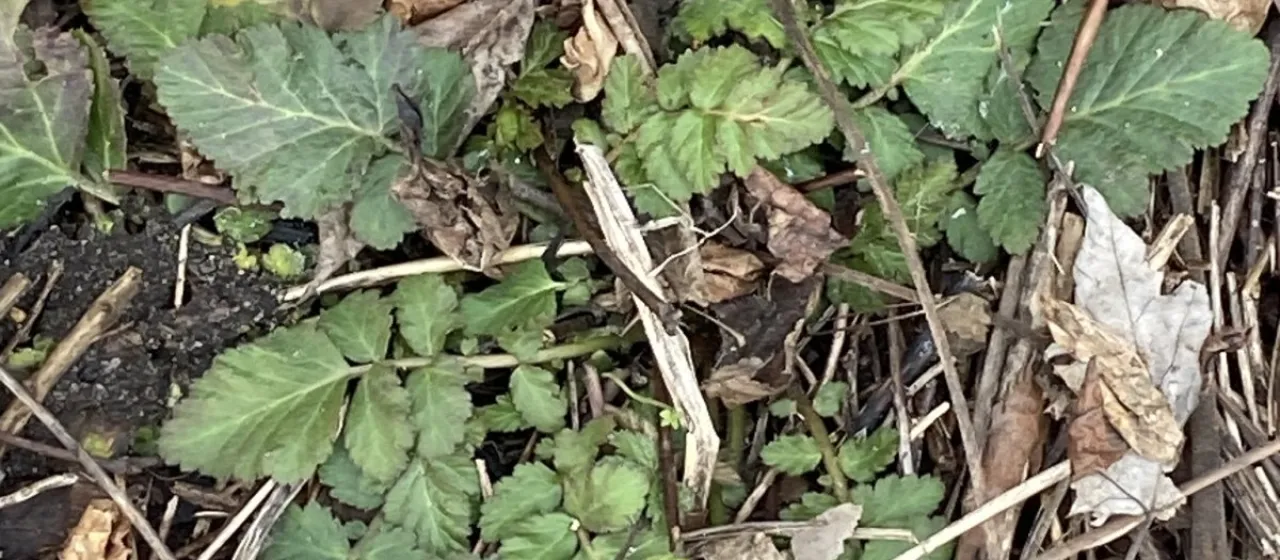
Description
White avens (Geum canadense) is a perennial herbaceous plant belonging to the Rosaceae family. In agricultural and botanical studies, it is recognized for its durability and resilience, making it a subject of interest for conservation efforts and specialized herbal cultivation.
The plant originates from North America and is naturally distributed across various ecosystems, including woodlands and stream banks. Its ability to colonize disturbed areas has made it an important species for ecological restoration projects, where it serves as a ground cover that prevents soil erosion.
Morphologically, Geum canadense is characterized by a slender stem ranging from 30 to 80 cm in height. Its foliage is complex, with terminal leaflets being significantly larger than lateral ones. The flowers, while small and white, are distinct and serve as an important nectar source for various native insect pollinators.
Cultivation requires well-drained, nutrient-rich soil with a consistent moisture level. While it tolerates partial shade exceptionally well, direct intense sunlight can be detrimental to the plant's leaf development. Agronomic management involves mulching to retain soil moisture and providing protection against overcrowding to ensure good airflow.
The crop is susceptible to common garden pests such as aphids and fungal diseases like powdery mildew, particularly in humid conditions. Integrated pest management strategies, such as physical barriers or biological controls, are recommended to maintain plant health without relying heavily on chemical pesticides.
- High shade tolerance
- Preferential woodland habitats
- Easy propagation by seed
- Used in traditional ethnobotany