
Description
Bristly avens (Geum hispidum) is a perennial herbaceous plant belonging to the large and economically significant Rosaceae family. This species is recognized for its biological robustness and its potential utility in various agricultural applications, ranging from botanical research to small-scale cultivation for medicinal purposes.
The native distribution area of Geum hispidum includes parts of Southern and Central Europe. The plant is adapted to moderate climatic conditions and typically thrives in areas with seasonal rainfall. In its natural habitat, it occupies forest clearings, scrublands, and rocky slopes, which suggests a preference for well-drained locations with partial sunlight.
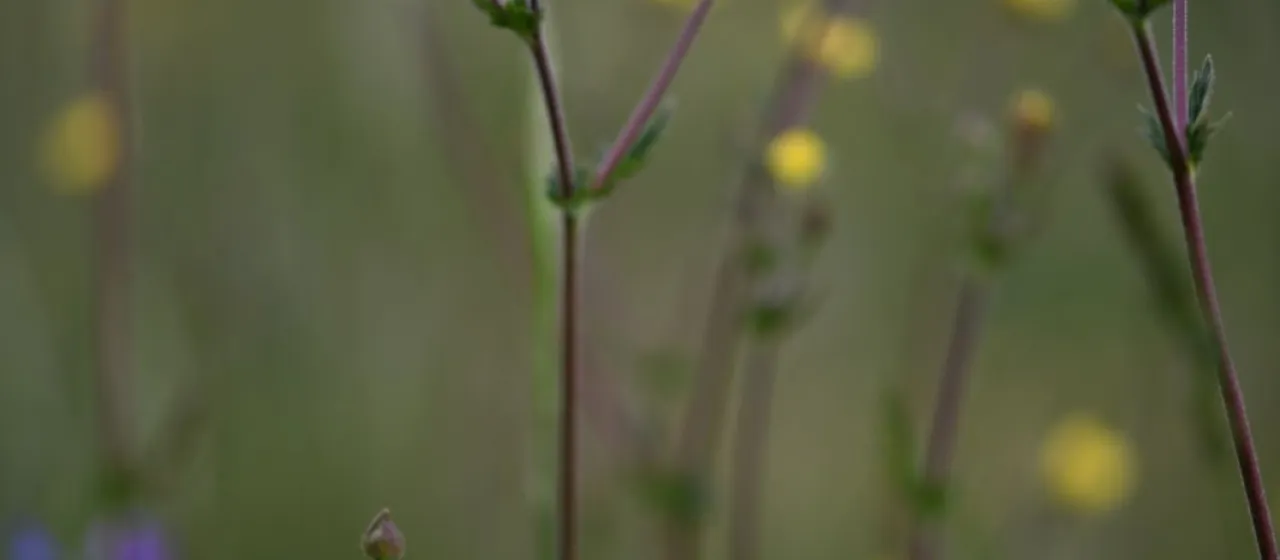
Botanically, the species is defined by a stout rhizome and a basal rosette of pinnate leaves. The stems are distinctive due to their dense, bristly hairs, which provide protection against environmental stress. During the flowering phase, the plant produces vibrant yellow blossoms that contribute to both its botanical interest and its value in ornamental landscaping.
Successful cultivation requires specific soil and climate conditions. The ideal soil type is a fertile, well-drained loam with a slightly acidic to neutral pH. Proper agrotechnical management involves:
- Ensuring adequate soil drainage to prevent root rot.
- Implementing supplemental irrigation during dry summer spells.
- Managing weed competition in the early growth stages.
- Periodic mulching to maintain soil moisture and temperature stability.
In terms of economic utility, Geum hispidum is studied for its chemical composition, specifically its tannin content, which has historical medicinal applications. It is also a valuable plant for ecological restoration. Common threats include pathogens like powdery mildew and pests such as aphids, necessitating integrated pest management strategies to maintain plant health and biomass productivity.