
Description
Japanese avens (Geum japonicum) is a herbaceous perennial plant belonging to the Rosaceae family. In agronomy and horticulture, it is recognized for its medicinal properties and its robust growth pattern, which makes it a valuable species for both pharmaceutical production and ornamental landscaping.
Native to East Asia, including Japan and China, this plant is naturally adapted to forest edges, meadows, and areas with high soil moisture. Understanding its original habitat is crucial for successful cultivation, as it thrives best in environments that mimic its natural cool and humid conditions.
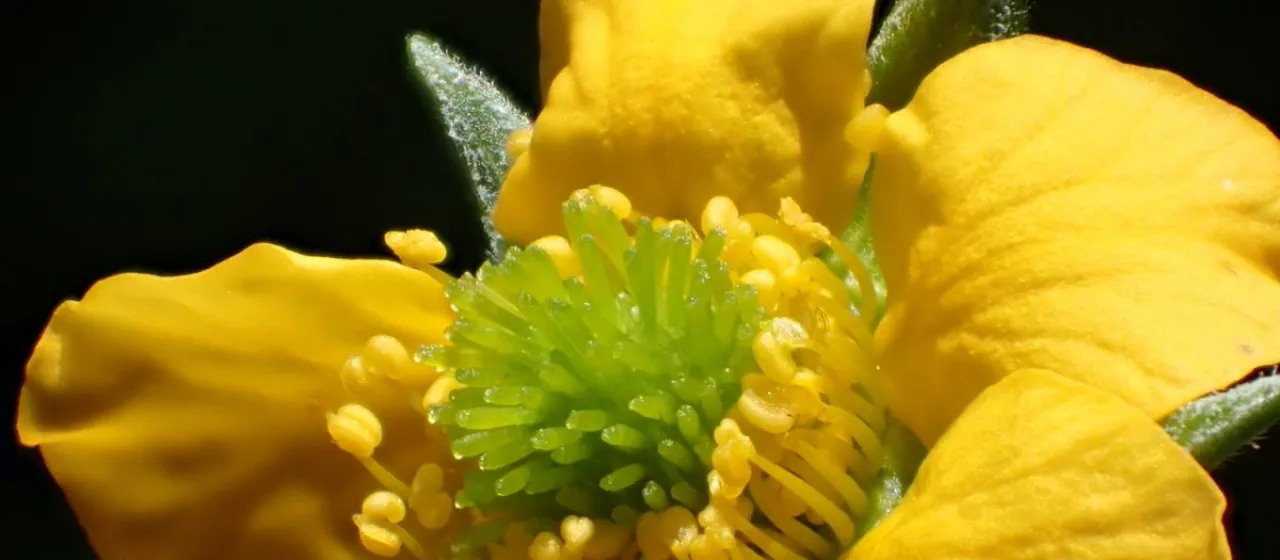
The plant is characterized by a sturdy root system and a rosette of basal leaves. It grows to a height of approximately 60–80 cm, producing distinct yellow, five-petaled flowers during its blooming season in late spring and early summer. The foliage is complex and textured, contributing to its aesthetic value in shaded garden areas.
Regarding cultivation, Japanese avens requires fertile, well-draining soil with a steady supply of moisture. While it is relatively low-maintenance, providing organic mulch is essential to protect the roots from heat and maintain consistent soil hydration. The crop prefers partial shade, as excessive direct sunlight during mid-summer can lead to leaf scorching.
Economically, the plant is valued for its rhizomes, which contain compounds used in traditional medicine for their astringent and anti-inflammatory properties. In garden management, it serves as a reliable perennial that covers soil effectively, suppressing weeds while providing structural interest throughout the growing season.
- Thrives in moist, loamy soil conditions.
- Propagation via root division is highly effective.
- Susceptible to powdery mildew in poor air circulation.
- Should be kept away from waterlogged soils in winter.