
Description
Sikkim avens (Geum sikkimense) is a perennial herbaceous plant belonging to the Rosaceae family. As a specialized botanical species, it is highly regarded for its unique adaptation to high-altitude environments and its distinct aesthetic value in specialized gardening and horticultural collections.
The plant originates from the mountainous ranges of the Himalayas, particularly in the Sikkim region. Its native habitat consists of subalpine meadows and cool, moist slopes, where the plant has evolved to thrive in temperate climates with high atmospheric humidity and cold winters, which is critical for its biological cycle.
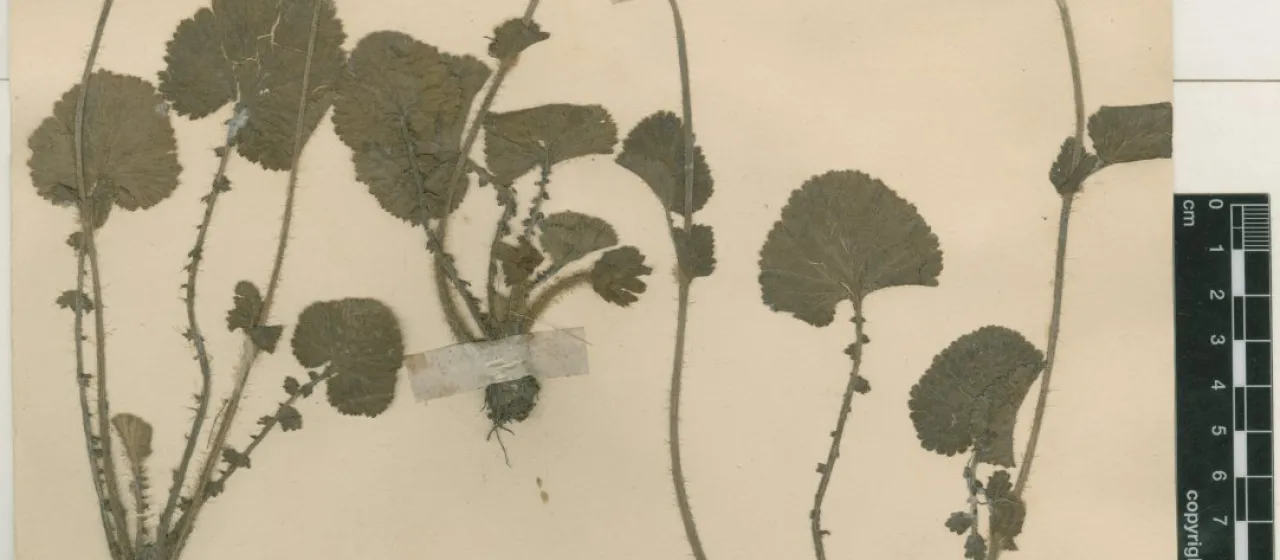
Botanically, Geum sikkimense forms a compact basal rosette of pinnate leaves from which several flowering stems emerge. The flowers are notable for their structural integrity and vibrant colors. The root system is robust, allowing the plant to sustain itself during the dormant winter months, provided the soil conditions remain appropriate.
For successful cultivation, the species requires well-drained, fertile soil with a neutral or slightly acidic pH balance. It is intolerant of waterlogged soil, which often leads to root rot; therefore, providing an effective drainage system is essential in heavier soil types. Cultivation in partial shade is recommended to protect the foliage from heat stress during the summer.
In terms of garden usage, Sikkim avens is an excellent candidate for rock gardens, alpine beds, and shaded borders. Typical pests include aphids during warmer months, while fungal infections can occur if aeration is poor. Routine maintenance includes weeding, mulching to retain moisture, and monitoring for signs of wilt to ensure the longevity of the plant in a landscape setting.