
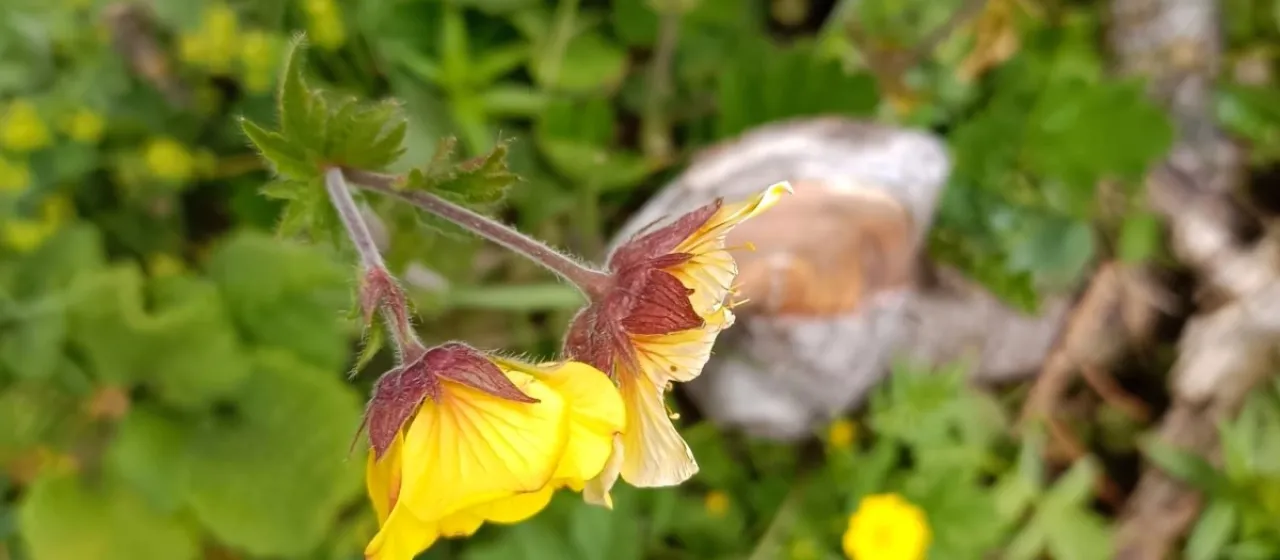
Description
Sudeten avens (Geum sudeticum) is a perennial herbaceous plant belonging to the Rosaceae family. It is a distinctive species known for its resilience and adaptability to high-altitude environments. This plant is valued by both botanists for its rarity and gardeners for its aesthetic appeal in specialized horticultural settings.
The plant originates from the mountainous regions of Central Europe, specifically the Sudetes mountain range. In its natural habitat, it thrives in wet meadows and rocky slopes where the climate remains cool and humid. Its geographical distribution is limited to these specific ecological niches, which define its requirements in a managed agricultural or gardening environment.
Botanically, Geum sudeticum is characterized by a basal rosette of pinnate leaves and slender, upright stems. Its flowers typically feature five petals, contributing to the delicate appearance of the plant during the late spring to early summer flowering period. The root system is robust, allowing the plant to persist in thin, rocky soils common in its native alpine habitat.
Climate and soil requirements are strict: the plant needs cool ambient temperatures and soil that is consistently moist yet well-drained. It performs best in partial shade, as excessive direct sunlight and heat can quickly dehydrate the plant. Soils should be rich in organic matter, mimicking the nutrient profile of the mountain soils where it naturally occurs.
In terms of usage, this species is primarily cultivated for ornamental purposes in rock gardens, borders, and near water features. To maintain plant health, it is essential to manage common threats such as powdery mildew, aphids, and spider mites. Effective agronomic practices include regular moisture management, occasional fertilization, and careful monitoring for signs of stress or pest infestation to ensure the longevity of the planting.