
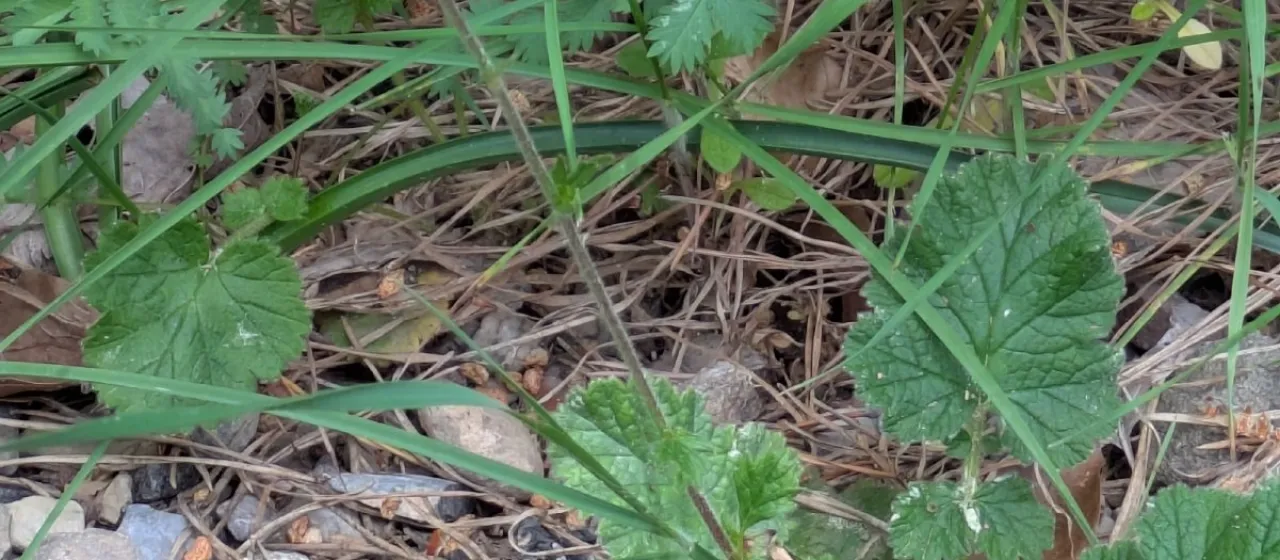
Description
Wood avens (lat. Geum sylvaticum) is a perennial herbaceous plant belonging to the Rosaceae family. This species is valued in agricultural and horticultural settings for its robustness and aesthetic appeal. As a perennial crop, it establishes a strong root system, allowing it to return year after year, providing reliable ground cover and seasonal interest in temperate regions.
The native range of this plant includes woodland areas across Europe. In cultivation, it thrives in environments that mimic its natural habitat, particularly partial shade and humus-rich soils. It is well-adapted to the climatic conditions of temperate zones, where it demonstrates significant resilience against seasonal fluctuations in temperature.
Botanically, the plant is characterized by a basal rosette of leaves and upright flowering stems that produce small, yellow, five-petaled blossoms. The root system consists of a sturdy rhizome, which serves as a nutrient storage organ. The leaves are typically compound and serrated, providing a lush appearance even when the plant is not in its primary blooming phase.
Agrotechnical requirements focus on providing well-drained, fertile soil with adequate moisture retention. While Wood avens is relatively low-maintenance, it performs best when the soil is slightly acidic to neutral. Regular weeding is recommended during the initial establishment phase to prevent competition from more aggressive weeds, and mulching can help maintain the soil moisture levels the plant prefers.
Practical uses of Wood avens include:
- Use in ornamental landscaping for shaded border areas.
- Soil stabilization in woodland gardens to prevent erosion.
- Traditional medicinal use due to compounds like tannins found in the rhizomes.
- Contribution to biodiversity by supporting local pollinator populations.
Regarding plant health, Wood avens is occasionally susceptible to powdery mildew, especially if planted in areas with poor air circulation. Pests such as aphids or spider mites may pose a threat during prolonged periods of drought. Maintaining appropriate plant spacing and monitoring for early signs of disease are the most effective strategies for ensuring a healthy and productive crop.