
Description
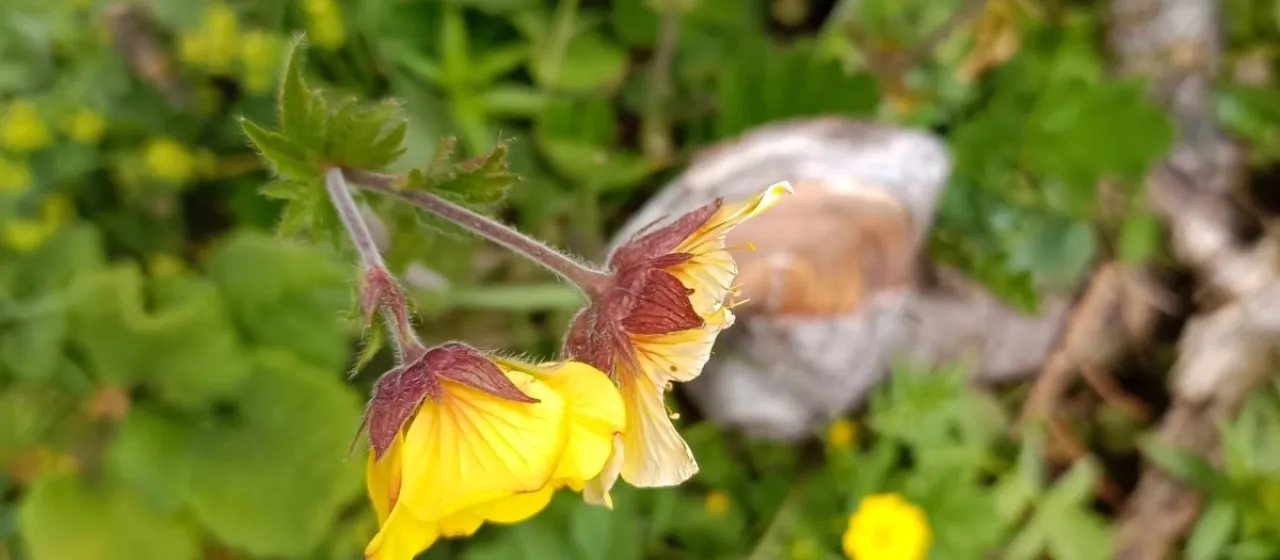
Thomas' Avens (Geum thomasianum) is a perennial herbaceous plant belonging to the Rose family (Rosaceae). It is a specialized, rare species known primarily in botanical circles and among alpine plant enthusiasts for its unique adaptations to high-altitude mountain environments.
The plant originates from the mountainous regions of the Alps. Its native range consists of high-elevation meadows and stony slopes, which defines its specific physiological requirements. In horticultural practice, it is treated as a collector's plant rather than a field crop, primarily used for rockeries and specialized alpine garden landscapes.
Botanically, it features a low-growing habit with a basal rosette of pinnate, hairy leaves. The flower stalks rise above the foliage, producing bright yellow blooms. These structural features allow the plant to withstand the harsh conditions of its alpine habitat, including strong winds and thin, rocky soils.
When cultivating Geum thomasianum, strict attention to soil drainage is essential. The plant requires a well-drained, slightly gritty substrate that mimics its natural scree environment. It thrives in full sun but prefers cooler temperatures; in hotter climates, afternoon shade is highly recommended to prevent heat stress.
Maintenance and pest management strategies focus on preventing moisture-related issues. Because it is a mountain species, it is susceptible to root rot if waterlogged, especially in heavy clay soils. Gardeners should prioritize organic mulching with inert materials and monitor for typical garden pests like aphids or spider mites during the peak growing season, addressing them with standard horticultural practices.