
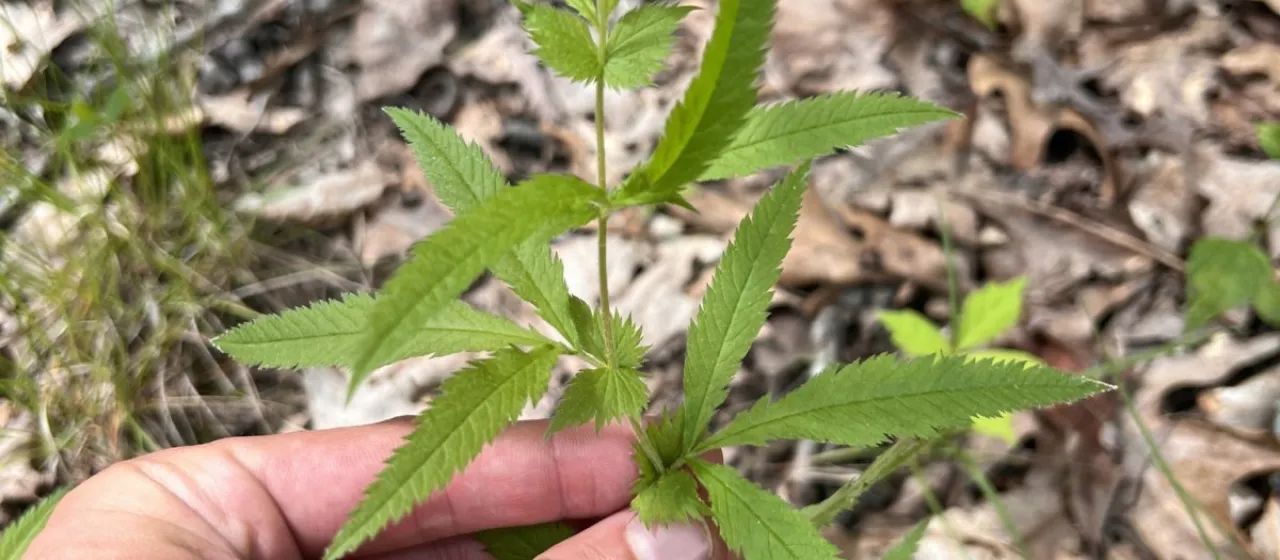
Description
American ipecac (lat. Gillenia stipulata) is a perennial herbaceous plant belonging to the Rosaceae family. This species is distinguished by its prominent, leafy stipules at the base of the foliage, which provides a unique structural appearance compared to other related species like Gillenia trifoliata.
Native to the eastern and central regions of North America, this plant is naturally found in moist, wooded slopes and rocky thickets. As an agricultural and ornamental crop, it is appreciated for its robustness and the elegance it brings to shade gardens and perennial borders. It is highly valued by gardeners for its ability to thrive in woodland environments where many other flowering plants struggle.
Botanically, Gillenia stipulata features reddish-tinted stems and trifoliate leaves with serrated edges. During late spring and early summer, it produces delicate, white to pale pink star-shaped flowers that appear in loose, terminal panicles. The plant develops a deep, fibrous root system, which contributes to its long-term viability and persistence in the garden setting.
Cultivation requirements for this species include partial shade and rich, moist, but well-draining soil with a slightly acidic to neutral pH. Proper agrotechnical management involves regular mulching to keep the roots cool and moist, especially during peak summer heat. While it is hardy and relatively low-maintenance, supplemental watering is essential during dry spells to ensure consistent plant vigor.
In terms of usage, the plant is primarily utilized in landscape architecture and as an addition to native plant displays. It is recognized for its historical ethnomedical applications, though today its role is predominantly decorative. Common pests include aphids and mites, while fungal issues related to poor soil aeration are the main concerns for growers, necessitating a focus on proper site selection and drainage management.