
Description
Girardinia diversifolia, commonly known as the Himalayan Nettle, is a robust herbaceous plant belonging to the Urticaceae family. It is highly regarded as a significant source of high-quality bast fiber. Unlike its smaller relatives, this plant can grow up to 3 meters in height, providing long, strong, and durable fibers that are increasingly used in eco-friendly textile industries.
The plant is native to the Himalayan region and mountainous areas of Asia, including India, Nepal, and China. It thrives in humid forest habitats, often at high altitudes. Its distribution is closely linked to its need for specific ecological conditions, including well-distributed rainfall and protected, semi-shaded environments that replicate its natural mountain niche.
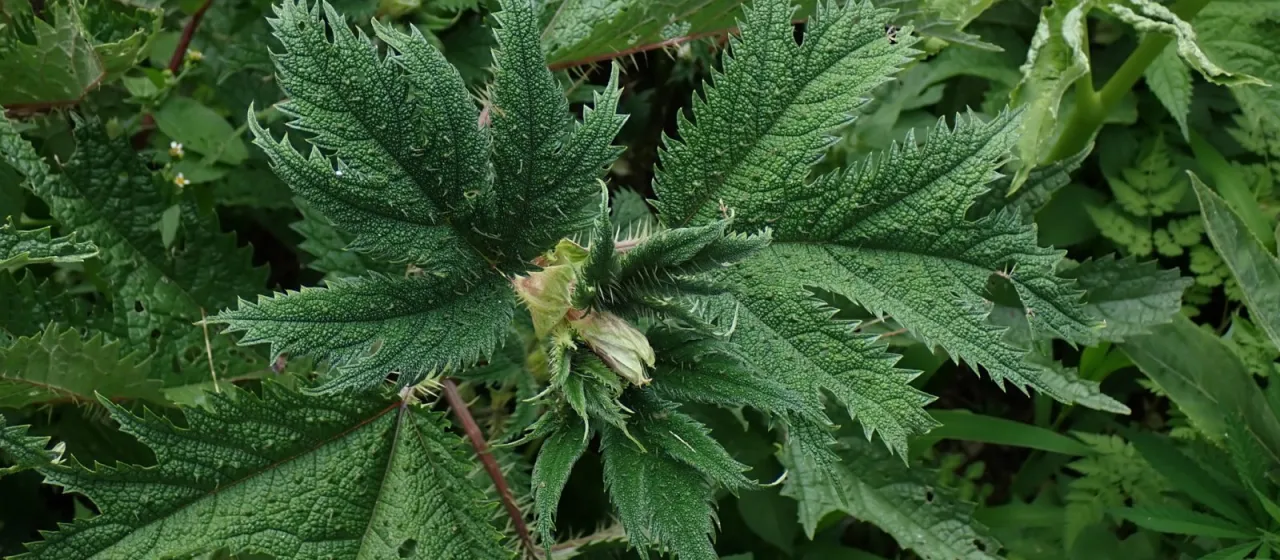
Botanically, it features stinging hairs covering its stems and broad, deeply lobed leaves. The plant is a perennial, developing a vigorous rhizomatous root system that allows it to survive in difficult terrain. The stems are straight and fibrous, which is the primary trait sought after for industrial fiber extraction, making it a sustainable alternative to conventional cotton.
Agronomically, the plant requires fertile, moisture-retentive, and well-draining soils. Cultivation is best suited to regions with cool to moderate temperatures and high humidity levels. Management practices include soil preparation enriched with organic matter and careful irrigation management to prevent root rot. It is typically propagated by seeds or through the careful division of existing root stocks.
- Requires nutrient-rich soil.
- Thrives in high-humidity climates.
- Sensitive to waterlogging.
- Harvesting occurs after the flowering phase.
- Requires protective gear due to stinging hairs.
Industrial use of Girardinia diversifolia focuses on the production of high-strength twine, rope, and artisanal textiles. The fibers are known for their length and tensile strength, often compared to ramie. While the plant is generally hardy, it can be susceptible to various fungal pathogens and sap-sucking insects in humid environments, necessitating diligent monitoring for optimal crop health.