
Description
Gisekia africana is a herbaceous annual plant belonging to the family Gisekiaceae. This species is recognized for its remarkable physiological adaptation to arid and semi-arid environments. It is a succulent-like plant that demonstrates high survival rates in harsh ecological niches where water availability is strictly limited.
The origin of Gisekia africana is linked to the African continent, with its natural range extending across tropical and southern regions. It is frequently found in open savannahs, desert margins, and disturbed habitats. The plant has spread to various arid parts of the globe where climatic conditions mimic its native environment.
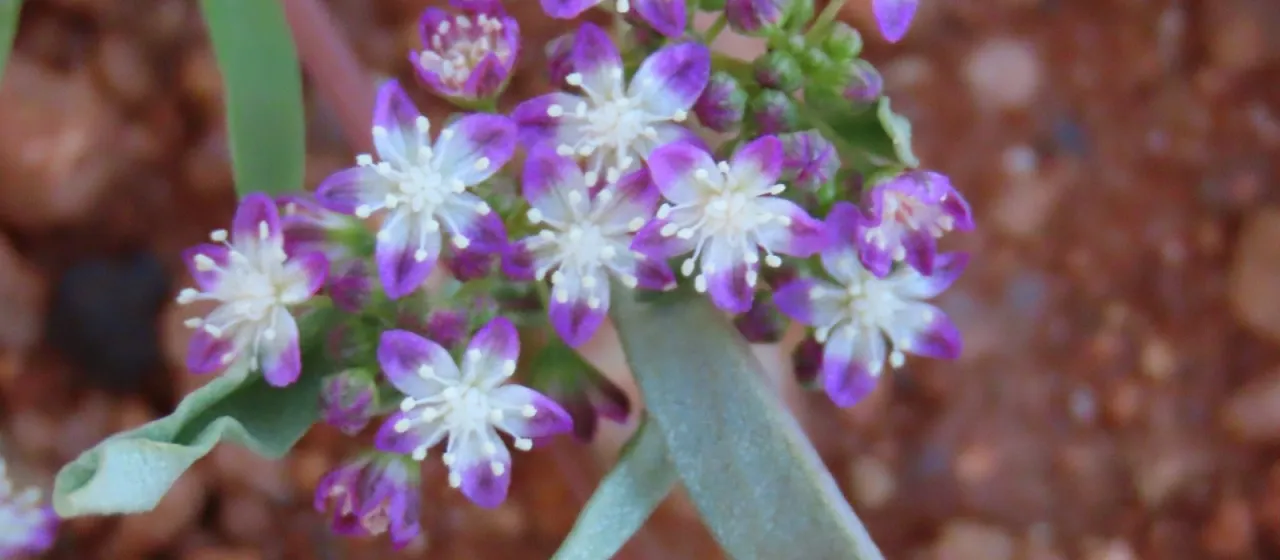
Botanically, the plant is characterized by its prostrate or ascending growth habit and fleshy leaves that store moisture. The flowers are typically inconspicuous, often greenish or reddish-tinged, and grouped in small cymes. The root system is deep and efficient, allowing the plant to tap into subsurface moisture reserves during prolonged dry spells.
Regarding climate and soil, Gisekia africana thrives in well-drained, sandy soils with high exposure to sunlight. Agronomic management is relatively straightforward: it requires minimal intervention, provided the drainage is excellent. Over-irrigation or high-humidity environments are detrimental to the crop as they lead to root rot and other pathogen-related issues.
The economic value of this culture lies in its use as forage for livestock in regions where nutritious vegetation is scarce. Furthermore, it holds significance in traditional medicine practices in some local communities. Farmers should be aware that the plant is generally resistant to pests, but occasional infestations of aphids or soil-borne nematodes can impact yield under monoculture conditions.