
Description
Glandularia platensis is a perennial herbaceous plant belonging to the Verbenaceae family. Botanically distinct from the genus Verbena, although historically associated with it, this species is highly regarded in horticulture for its vibrant blooms and spreading growth habit, which makes it an excellent choice for ornamental bedding and ground cover.
Native to the regions of South America, specifically Argentina and Uruguay, this plant has adapted well to various gardening environments. It thrives in climates that offer moderate temperatures, though it is often cultivated as an annual in regions with harsh winters. Its natural habitat is typically characterized by open landscapes with sufficient sunlight exposure.
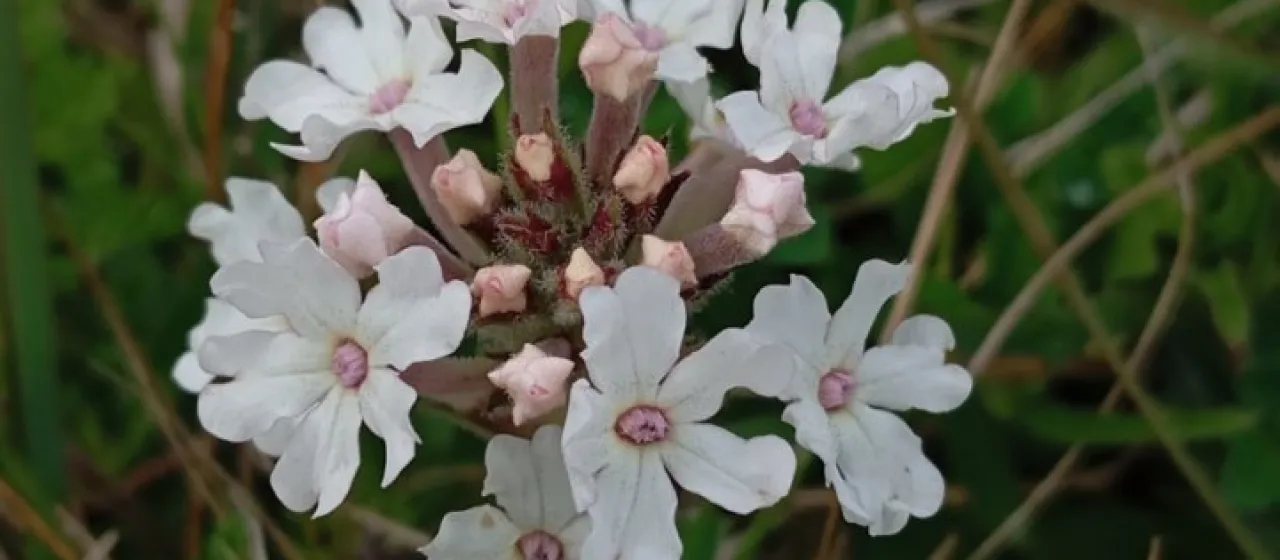
The botanical characteristics of this plant include branching stems and deeply lobed leaves. The flowers are arranged in dense terminal spikes or clusters, showcasing a wide spectrum of colors ranging from soft pinks and lavenders to deep purples. These blooms are known for their longevity and ability to attract pollinators, enhancing biodiversity in the garden.
Cultivation requirements for Glandularia platensis focus on providing well-draining, fertile soil. It performs best in full sun, which is critical for maximizing flower production. The plant is relatively drought-tolerant once established, but regular, measured irrigation is advised during prolonged dry spells to maintain optimal health and vigor.
The main challenges in maintaining this crop involve managing potential diseases like powdery mildew and protecting against common pests such as aphids. Providing adequate spacing between plants is essential to ensure good air circulation, which helps mitigate fungal issues. Proper nutrition, through balanced fertilizers during the growing season, ensures continuous blooming and healthy development.
- Plant in full sun for optimal flowering.
- Ensure well-draining soil to prevent root rot.
- Deadhead spent flowers to encourage new growth.
- Monitor for aphids and apply treatments promptly.