
Description
Glaucium grandiflorum is a herbaceous plant belonging to the Papaveraceae family. Known for its significant medicinal properties, it is primarily cultivated for the extraction of alkaloids, such as glaucine, which serve as essential components in various cough suppression pharmaceuticals.
This species is native to the arid regions of the Caucasus, Asia Minor, and the Mediterranean. It thrives in environments that mimic its natural habitat, which typically consists of rocky, well-drained soils and dry slopes. Consequently, successful cultivation requires careful site selection to avoid waterlogged conditions.
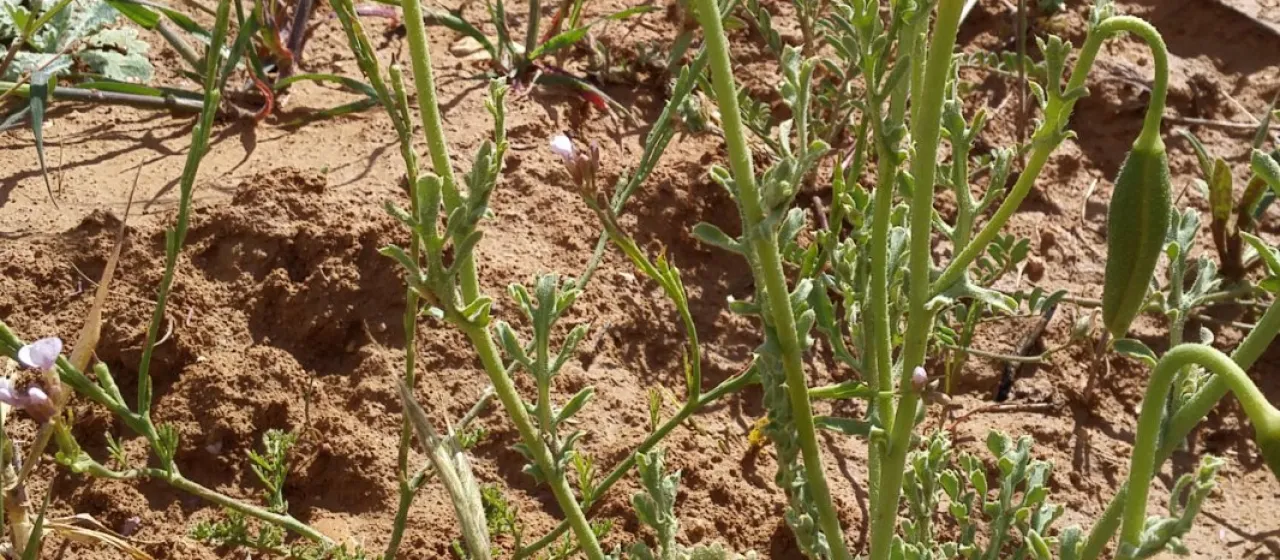
Botanically, the plant is characterized by its distinct, large, vivid yellow-to-orange flowers that often feature a dark spot at the base of the petals. The foliage is typically glaucous and lobed. Following the flowering phase, the plant develops long, pod-like capsules that contain numerous small seeds, facilitating efficient propagation.
Agricultural practices for this crop focus on creating optimal drainage and exposure. It requires full sunlight to flourish and is particularly susceptible to root diseases if the soil moisture level is too high. Soil preparation should include deep loosening and the incorporation of sand or grit to prevent compaction and ensure root health.
The economic value of Glaucium grandiflorum is tied to the chemical industry's demand for its alkaloid profile. Farmers must be vigilant against common pests such as aphids, which can stunt growth, and various soil-borne pathogens. Maintaining a proper crop rotation and ensuring rapid harvesting during the peak flowering stage are vital to maximizing the yield of high-quality raw plant material.