
Description
The corn marigold (latin Glebionis segetum) is an annual herbaceous plant that belongs to the Asteraceae family. Historically recognized as a common field weed, this plant has gained recognition as a valuable ornamental and potential agricultural crop due to its vibrant appearance and relatively low maintenance requirements.
Originating from the Mediterranean region, the corn marigold has successfully naturalized across various parts of Europe. In agricultural settings, it thrives in well-drained, fertile soils with neutral to slightly acidic pH levels. It prefers open, sunny locations where it can maximize its photosynthetic potential throughout the growing season.
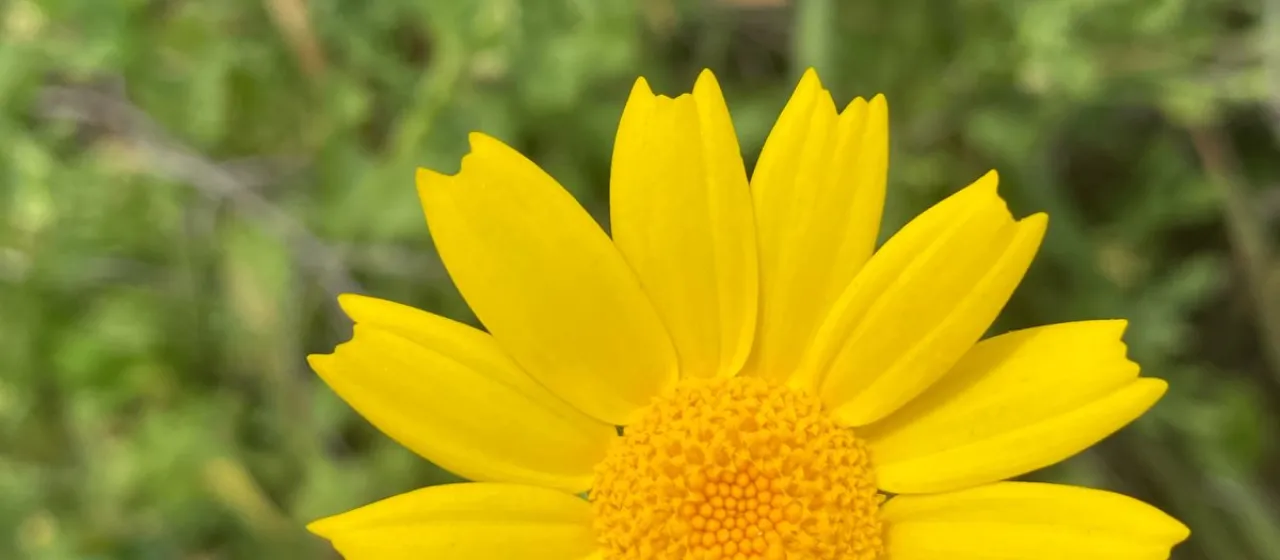
Botanically, the plant features a sturdy, branching stem that can reach heights of 60 cm, adorned with glaucous, serrated foliage. Its most distinguishing feature is the bright yellow daisy-like flower heads, which serve as a significant attraction for beneficial pollinators, including bees and butterflies, contributing to biodiversity in the fields.
Cultivation practices for Glebionis segetum involve direct seeding in early spring once the risk of severe frost has passed. Farmers and gardeners should ensure proper spacing to prevent competition for light and water. While the crop is moderately drought-tolerant once established, irrigation may be necessary during prolonged dry spells to ensure optimal flowering.
From an agricultural perspective, the corn marigold is primarily valued for its aesthetic appeal in wildflower meadows and landscape design. Additionally, it functions as a useful honey plant for apiculture. Some varieties are also explored for their nutritional value, as young leaves can be cooked similarly to spinach, and certain parts are used in traditional herbal medicine.
- Powdery mildew remains the most significant fungal threat during damp periods.
- Aphids often cluster on succulent stems, necessitating early detection.
- Root rot can occur in poorly drained, waterlogged soils.
- Integrated pest management practices help maintain healthy crop yields without excessive chemicals.