
Description
Glechon ciliata is a perennial aromatic plant belonging to the Lamiaceae family. In agricultural terms, it is recognized for its valuable secondary metabolites, which are highly sought after for essential oil production. The plant typically exhibits a semi-shrub structure, making it a sustainable choice for field cultivation in appropriate environmental conditions.
Native to South America, specifically in regions across Brazil and Argentina, the plant thrives in diverse environments ranging from rocky hillsides to open grasslands. Its natural distribution demonstrates an evolutionary adaptation to temperate and subtropical climates. When cultivating Glechon ciliata, farmers must replicate these conditions, emphasizing the need for high solar exposure to ensure optimal accumulation of fragrant oils in the plant's biomass.
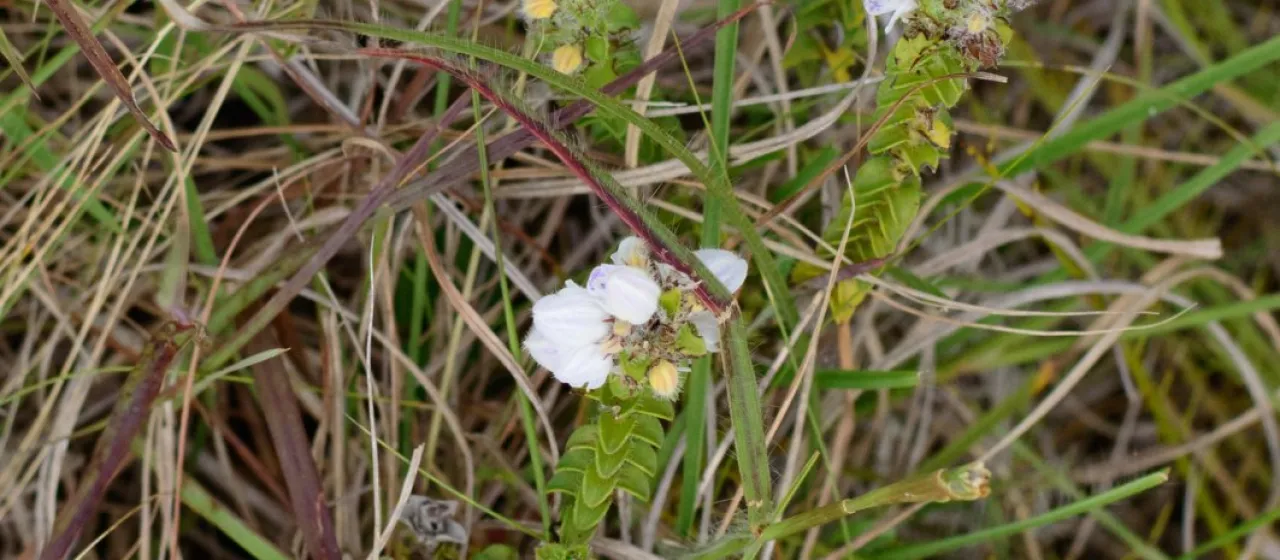
Botanically, Glechon ciliata is defined by its opposite leaves, which feature ciliated margins, providing the plant with a unique appearance. The plant produces dense, spike-like inflorescences composed of small, delicate flowers. Its root system is moderately aggressive, allowing for good soil anchorage and resilience against environmental stressors, provided that the soil is sufficiently aerated.
Agronomic requirements are centered on soil quality and water management. The plant prefers well-drained, porous soils that prevent water saturation, which is crucial to avoid root rot. During the growing season, a consistent moisture regime is recommended; however, the plant exhibits remarkable drought tolerance once established. Proper spacing in rows is essential to facilitate air circulation and mechanical maintenance.
The industrial applications of Glechon ciliata are diverse and focus on high-value extracts:
- Extraction of essential oils for the fragrance and cosmetic industries.
- Preparation of herbal infusions and therapeutic teas.
- Usage as a botanical pesticide due to its natural chemical compounds.
- Integration into organic farming systems to enhance biodiversity.
Managing the health of the crop involves monitoring for common pests like aphids and mites, particularly during periods of high humidity. Pathogen control is typically achieved through preventative measures, such as proper field hygiene and the use of natural predators. As a hardy species, it requires minimal chemical intervention when grown in favorable conditions, making it an excellent candidate for sustainable agricultural projects.