
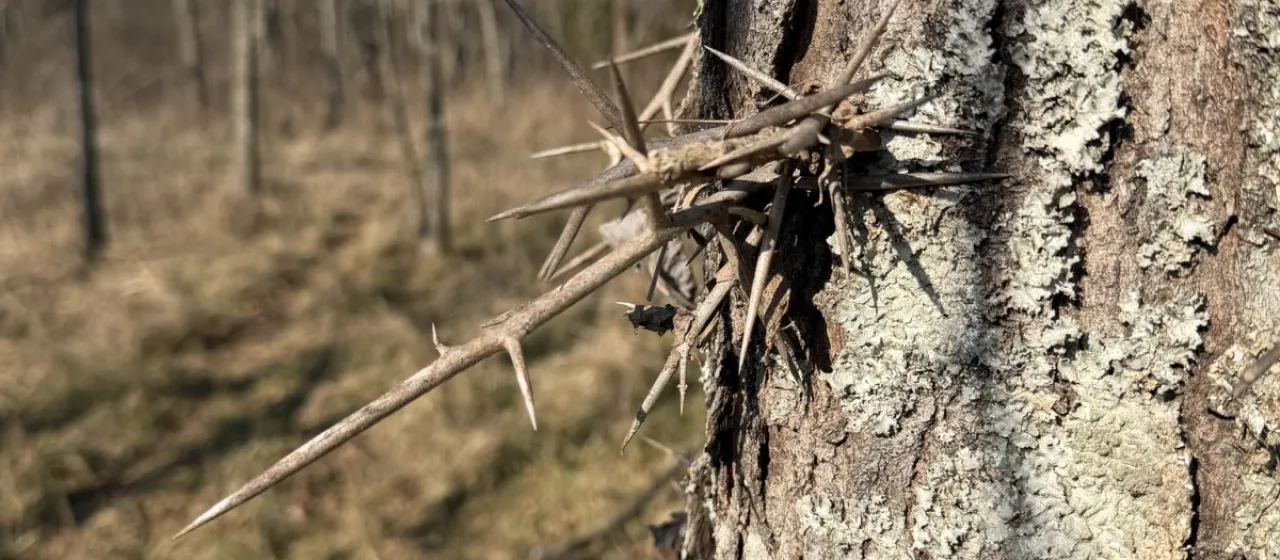
Description
Gleditsia ferox is a notable woody plant belonging to the Fabaceae family. Known for its aggressive thorniness, this species is highly valued in specific agricultural sectors for its durability and resilience. As a legume, it contributes to soil fertility through nitrogen fixation, making it an ecologically beneficial choice for land restoration.
Originating from subtropical regions, primarily in South Africa, this species has adapted to a variety of climates. Its ability to thrive in poor soils and withstand drought conditions has made it a subject of interest for forestry projects and soil conservation efforts in many parts of the world.
Botanically, it is characterized by its pinnate leaves and heavy, branched spines that can reach significant lengths. The tree produces bean-like pods, which contain seeds. Its growth habit is typically spreading, and it can grow into a medium-sized tree under favorable environmental conditions.
The cultivation requirements are relatively low, as the tree is naturally hardy. It requires full sun exposure for optimal growth and prefers well-drained soils. In terms of agronomy, regular maintenance is minimal, focusing mainly on structural pruning to manage its dense, thorny canopy in practical settings.
- Establishing secure natural fencing.
- Erosion control in arid regions.
- Utilizing durable timber for specific crafts.
- Providing shelter for beneficial fauna.
Like many species in its genus, it is relatively resistant to major pests. However, care should be taken to prevent moisture stagnation near the root zone, which can lead to fungal issues. Proper spacing during planting is essential to ensure adequate airflow and mitigate disease risks.