
Description
Gleichenia dicarpa, commonly known as the pouch fern, is a species of fern belonging to the family Gleicheniaceae. It is a highly specialized plant valued primarily for its aesthetic appeal in botanical collections and high-humidity display environments, such as conservatories or specialized terrariums.
Native to Australia, New Zealand, Malaysia, and parts of the Pacific, this plant thrives in temperate to tropical regions. It is typically found in nutrient-poor, acidic soils, often colonizing open, wet landscapes where it creates dense, tangled mats of foliage that define its natural ecological niche.
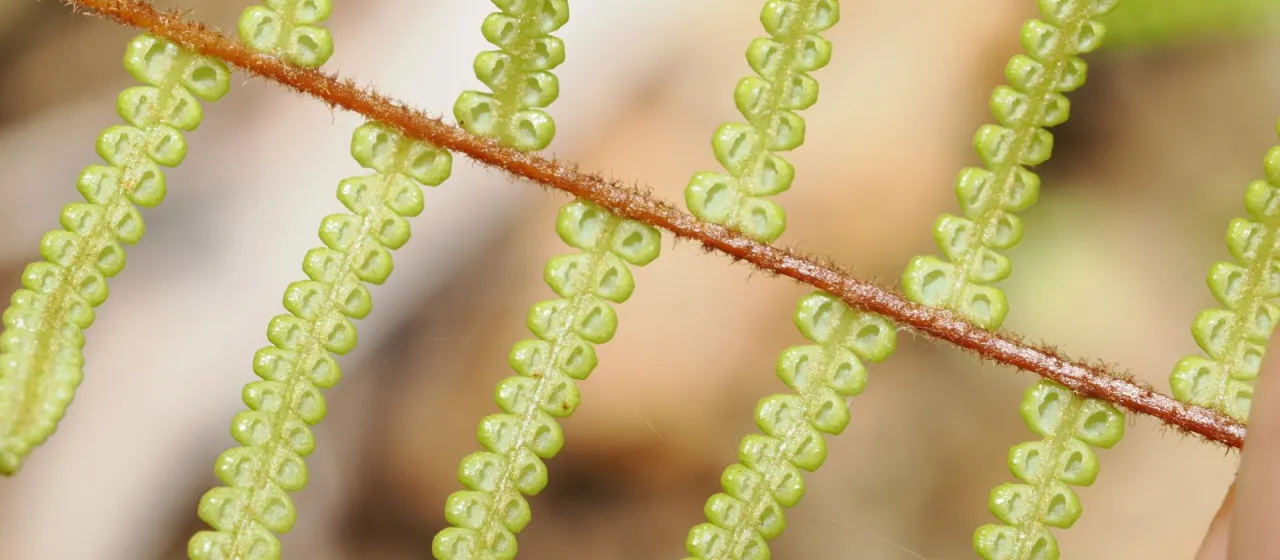
The botanical structure is defined by its characteristic dichotomously branching fronds, which exhibit a unique growth pattern capable of long-term expansion. The small, pouch-like sori, which give the plant its specific epithet, are located on the underside of the leaves, housing the spores required for reproduction.
Cultivation requires strict adherence to environmental conditions: high humidity and consistent, moderate temperatures are essential. The soil medium must be highly acidic (pH 4.5–5.5), well-aerated, and free of lime. Watering with deionized or distilled water is recommended to prevent the accumulation of minerals that can damage the delicate root system.
While primarily an ornamental specimen, its maintenance is considered advanced due to its specific needs. Typical issues include susceptibility to scale insects and spider mites, usually exacerbated by poor air circulation. Root health must be monitored, as waterlogging can lead to rapid fungal decay; therefore, a high-quality drainage layer is a fundamental requirement.