
Description
Glinus lotoides is an annual herbaceous plant belonging to the Molluginaceae family. It is recognized for its creeping growth habit and high resilience in environments subject to seasonal flooding, making it a unique candidate for specific agricultural and ecological applications.
The plant originates from tropical regions of Africa and Asia, though it has naturalized in various warm climates worldwide. It typically occupies damp habitats such as riverbanks, drying lake beds, and irrigated agricultural lands, where it effectively colonizes open soil surfaces.
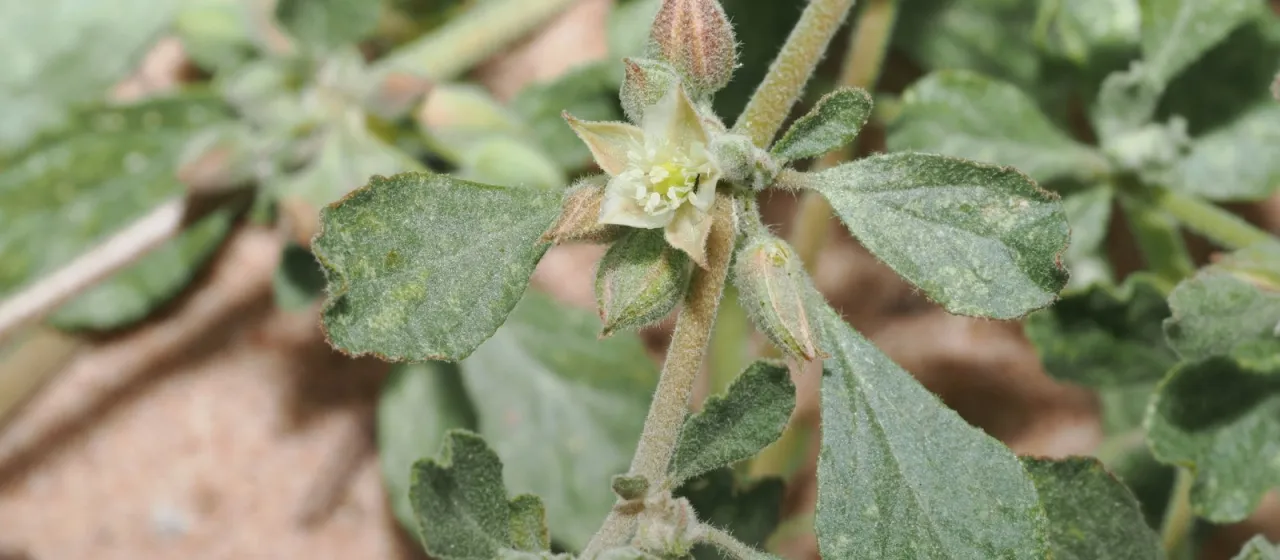
Botanically, Glinus lotoides is characterized by its prostrate, branched stems covered in pubescence. The leaves are typically obovate and arranged in clusters. Its small, whitish flowers appear in clusters at the leaf axils, producing numerous small seeds that ensure the survival of the population through harsh dry seasons.
Environmental and agronomic requirements emphasize the need for adequate moisture and warmth. The plant thrives in fertile, well-drained but moisture-retentive soils under full sun exposure. In managed conditions, keeping soil structure loose is essential to support the rapid spread of the stems across the surface.
Agricultural and economic uses include:
- Ethnobotanical application for treating various inflammatory conditions.
- Utilization as supplementary livestock fodder in pastoral systems.
- Soil stabilization and coverage to reduce erosion in tropical regions.
- Potential research in biomass production for secondary industries.
Common issues affecting this crop include fungal infections in stagnant water conditions and infestations by aphids or similar sucking insects. Effective crop management requires careful irrigation planning to maintain soil moisture without creating waterlogged conditions, alongside regular monitoring for pest pressure to ensure optimal biomass yield.